

A patio door that slides smoothly can still be frustrating when its recessed pull barely gives your fingers room. Choosing a sliding glass door replacement handle starts with identifying whether you need a better grip or repairs to the existing hardware.
Luuv Handle offers a no-drill retrofit for compatible doors, keeping the original handle, lock, and latch in place. Before choosing a finish or ordering a set, check the door's movement, plate dimensions, and clearance.
Key Takeaways
- Luuv Handle fits compatible door plates measuring 7.25 inches by 1 inch, so measure before ordering.
- The retrofit requires no alteration to the door and no drilling; your existing lock and latch remain in place.
- Each handle is made in the USA using steel and oak, and the patented product is protected until 2037.
- Choose interior, exterior, or bundled handles based on where you need a better grip. Repair dragging rollers or a faulty latch separately.
Determine Whether the Handle Is the Problem
A new grip makes sense when the door works properly but feels awkward to operate. However, resistance caused by the track, rollers, or lock needs a different repair.
Check how the panel moves
First, clear loose dirt from the track and test the door using steady pressure on its existing handle. Scraping, jumping, or persistent dragging points toward a movement problem.
A larger grip won't repair worn rollers or a damaged track. Avoid pulling harder to overcome resistance because that puts extra strain on the hardware.
If the door still sticks after basic cleaning, have a qualified sliding door technician inspect it. Don't remove a heavy glass panel yourself just to investigate the handle.
Inspect the existing hardware
Next, check whether the handle feels loose and whether the latch engages when the panel closes. Loose fasteners may need careful tightening rather than an additional grip.
Cracked hardware, damaged mounting points, or a failed lock require suitable replacement parts. A retrofit depends on sound existing hardware.
When the panel rolls smoothly and locks correctly, consider how the original pull feels. A shallow indentation may provide too little finger space even though the door itself needs no repair. That's the situation a retrofit grip addresses.
Measure the Door Plate and Check Clearance
Compatibility deserves more attention than color. Luuv Handle specifies 7.25-inch by 1-inch door plates, but matching those dimensions doesn't eliminate the need to inspect the surrounding hardware.
Measure the plate, not the screw spacing
Measure the existing door plate's length and width. Don't substitute the distance between mounting screws, since screw spacing and overall plate size describe different measurements.
Take clear photographs of both sides of the door, including the latch and plate edges. These help when asking about unusual hardware or comparing your setup with installation instructions.
The retrofit handle compatibility answers explain the required dimensions and how the product fits over existing hardware. Check those details before placing an order, especially if your plate has protrusions or an unusual shape.
Leave room for fingers and screens
Also inspect the space between the proposed grip position and the door jamb. Enough room for the handle doesn't always mean enough room for your fingers.
Check nearby sliding screens and adjacent panels throughout their travel. The new grip shouldn't obstruct either one.
Customer feedback includes concerns about finger clearance and hardware that didn't fit as expected. Use those concerns as reasons to check your particular door carefully. If the fit looks uncertain, ask Luuv Handle before buying instead of planning to bend the plate during installation.
Understand What a Retrofit Changes
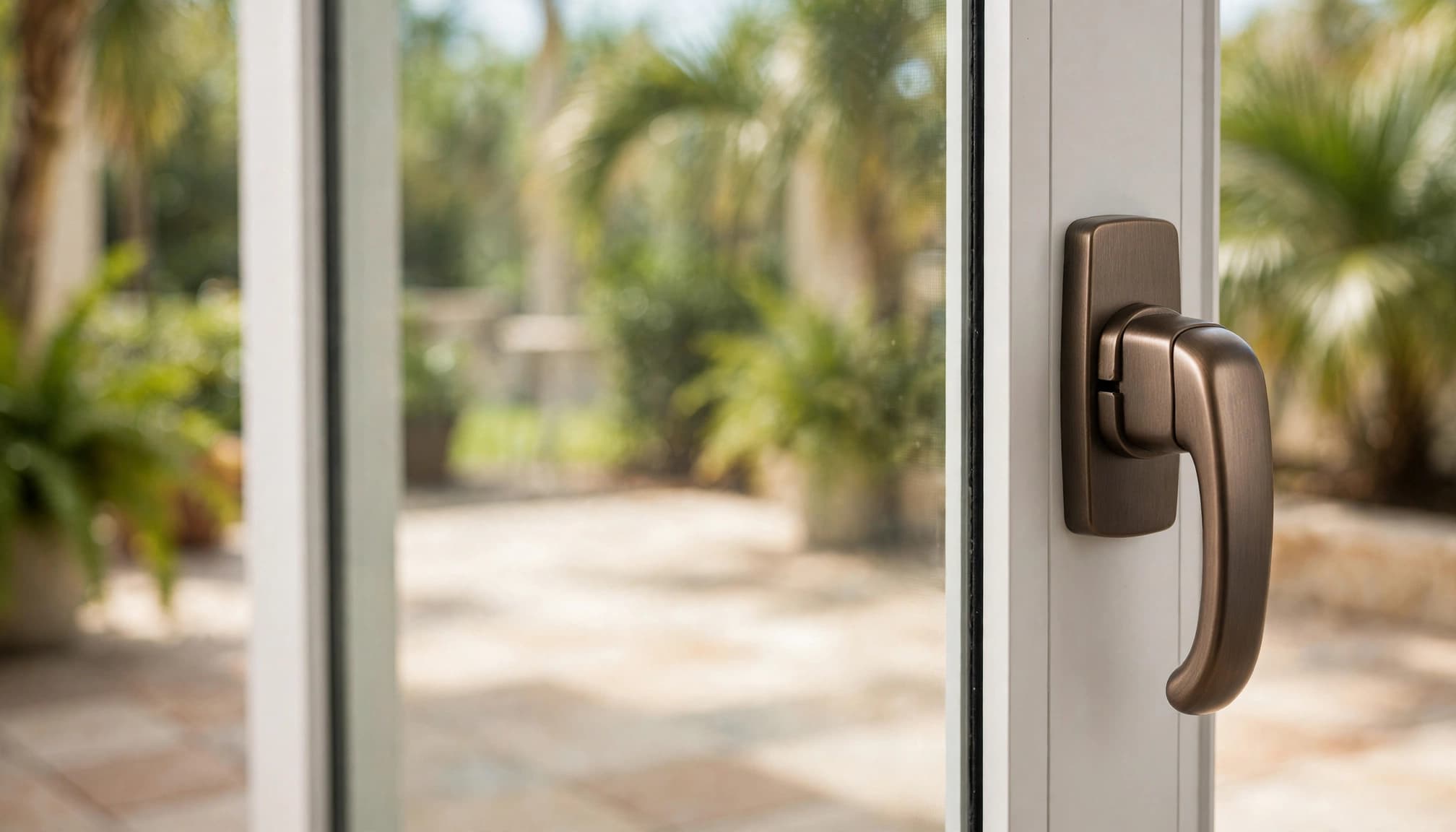
A conventional replacement handle set may require removing existing components and matching mounting holes or lock connections. Luuv Handle's retrofit approach adds a grip over compatible hardware.
The original handle, lock, and latch stay in place. Installation requires no alteration to the door and no drilling, so you don't need to create new holes in the frame.
This approach suits a working door whose factory pull is uncomfortable. It doesn't replace security hardware or correct a latch that misses its keeper.
A retrofit grip relies on the existing plate being sound. Brittle or damaged hardware needs attention before you attach anything to it.
Because the upgrade doesn't require permanent door changes, it can also appeal to renters. Still, check your lease or obtain permission where required. A reversible installation doesn't automatically override a property's rules about hardware changes.
Choose Interior, Exterior, or Matching Handles
Think about which side causes frustration during everyday use. You may need an exterior grip for returning from the patio, an interior grip for opening the door, or both.
Upgrade the side you use most
An exterior handle addresses the outside pull, which can be difficult to grasp when it's recessed. An interior handle fits over the compatible hardware inside.
Buying one side can make sense when the opposite grip already feels comfortable. However, check the correct product version rather than assuming an interior and exterior handle are interchangeable.
For exterior options with left and right selections, follow the product page's orientation question. It asks which way the door opens when viewed from outside.
Match the finish across both sides
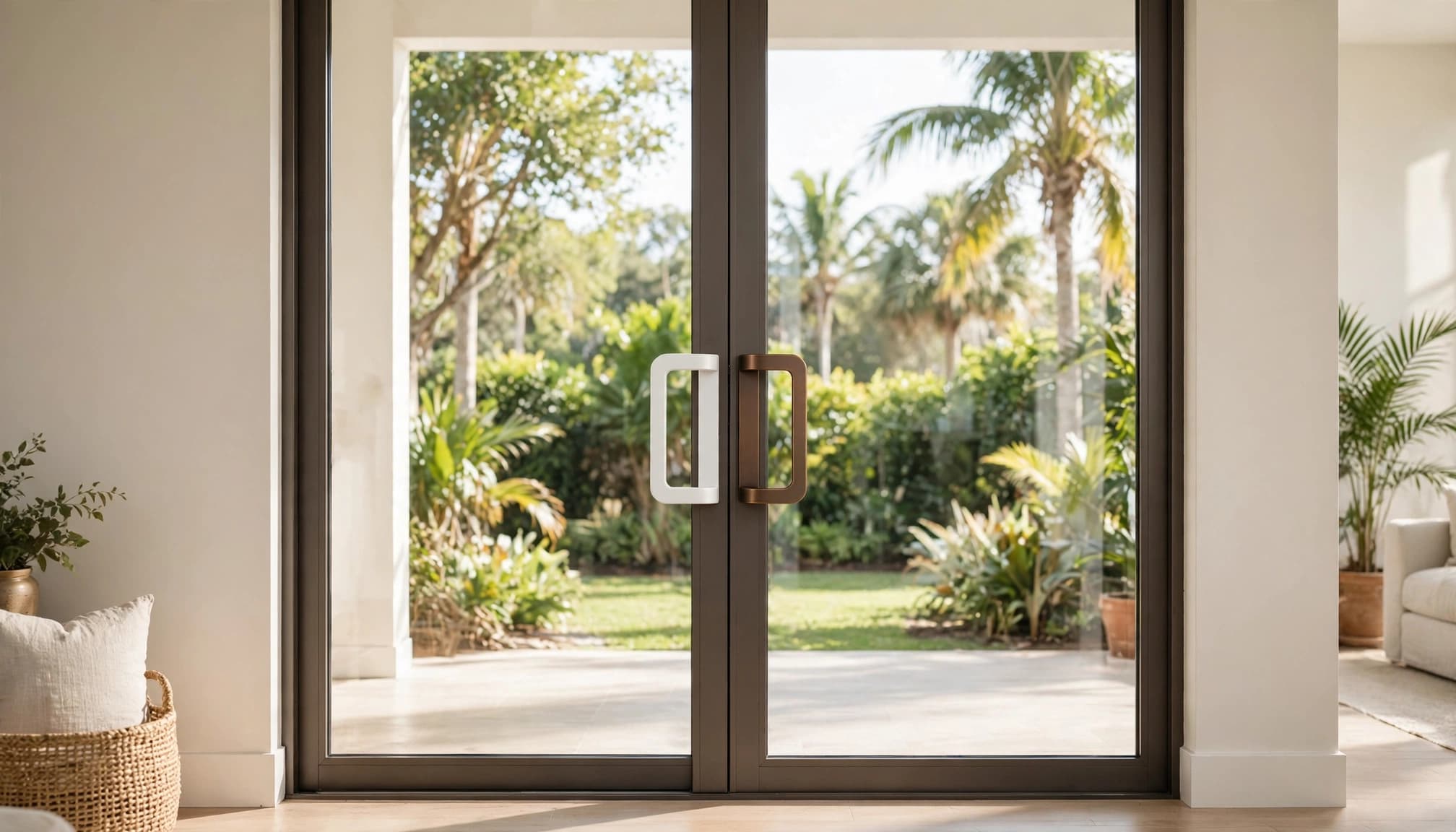
White can coordinate with light-colored frames, while bronze complements darker trim and existing hardware. Compare the finish with your door in daylight before deciding.
The white inside-and-outside bundle provides matching grips for both sides. A bronze handle bundle offers the same paired approach in a darker finish.
A bundle is useful when both pulls need improvement. Compare current bundle and individual prices before choosing.
Know What the Handle Is Made From
Luuv Handle is a veteran-owned business based in Southwest Florida. Its handles are made by hand in the USA using locally sourced steel and oak.
The steel supports the assembly, while the oak provides the handhold. Because wood grain varies naturally, individual grips won't look identical.
Luuv Handle describes its white steel components as powder-coated and its oak as treated with polyurethane for water resistance. Water-resistant isn't waterproof, so don't treat the wood as suitable for prolonged soaking.
The product is patented, with protection through 2037. That identifies the protected design; it doesn't establish compatibility with every sliding door or guarantee a particular lifespan.
For an exterior installation, inspect the grip and fasteners periodically. Follow the manufacturer's care guidance, and ask about suitable cleaning products before using strong chemicals. Checking for looseness or finish damage is especially sensible on a frequently used patio door.
Follow the No-Drill Installation Sequence
Luuv Handle advertises installation in about 30 seconds on compatible hardware. Treat that as the seller's quick-install claim, rather than a deadline for your project.
Customer accounts describe different installation times, including several minutes. Allow enough time to check the plate, follow the instructions, and test the finished handle without rushing.
For the exterior retrofit, the basic sequence is:
- Loosen the existing screws from the inside of the door.
- From outside, slide the handle's bottom section up onto the plate.
- Position the top cap over the plate, then pull down until the cap is seated.
- Return inside and tighten the existing screws.
Read the handle installation instructions and watch the demonstration before starting. Use the instructions for your specific interior or exterior product.
You don't need to remove the original handle or drill new mounting holes. However, loosening and tightening the existing fasteners requires a suitable screwdriver.
Stop if the assembly won't seat without force. Luuv Handle warns that excessive or repeated bending can break a thin door plate, particularly when age has made it brittle.
After installation, check that the grip is secure. Open and close the door, test the latch, and move any nearby screen through its full travel. Resolve interference before using the handle regularly.
Compare Cost, Support, and Return Terms
Compare the current price of the correct handle version, not just the lowest-priced listing. An interior grip, exterior grip, and two-sided bundle meet different needs.
Check shipping charges and product availability before ordering. Listed prices and stock status can change, so the product page and checkout are the places to confirm your total.
For multiple doors, measure each plate individually. Similar-looking sliders can have different hardware, especially in properties where doors were installed or repaired at different times.
Luuv Handle's bronze bundle listing describes a 30-day guarantee. Read the current terms before purchasing, including how to request a return and whether shipping costs apply.
Customer reviews mention easy installation and improved grip, but some also describe clearance, fit, or return difficulties. Those experiences support a practical buying habit: resolve compatibility questions before ordering.
Property managers should also confirm any available volume discount directly and agree on quantities, finishes, and orientation before submitting a larger order.
Make the Upgrade Fit the Door
A comfortable grip starts with a working door and compatible hardware. Check movement first, then measure the plate and confirm clearance before choosing a handle.
Luuv Handle's USA-made retrofit preserves the original lock and latch without drilling or door alteration. Its strongest use is improving the handhold on a door that already operates correctly.
Choose the side and finish you need, follow the installation instructions, and test the complete doorway afterward. A careful fit check keeps a small upgrade from becoming an avoidable repair.
Frequently Asked Questions
Will Luuv Handle fit every sliding glass door?
No. Luuv Handle specifies compatible plates measuring 7.25 inches by 1 inch. Plate shape, surrounding hardware, finger clearance, and nearby screens also matter. Send photographs and measurements to the company if you're unsure.
Does installation replace the lock or require drilling?
The retrofit retains the original handle, lock, and latch. It requires no drilling and no alteration to the door. Existing screws are loosened and tightened during installation, so follow the instructions for your chosen product.
Can a larger handle fix a door that's hard to slide?
A larger grip can improve control when a recessed pull is uncomfortable. It won't repair dragging rollers, a damaged track, or a failed latch. Address movement and locking problems before adding a retrofit handle.