

A sliding patio door should glide, seal, and drain water without demanding your attention. Its patio door threshold supports the running surface and directs water outward, while the rollers and frame carry the moving panel. A soft, bent, gritty, or uneven track deserves a closer look.
When a patio door drags, lets rain indoors, or wears out rollers faster, it deserves inspection, but these signs don't prove sill failure. A cosmetic track blemish isn't the same as a failing door threshold, weatherproofing failure, sill replacement, or structural damage. Water inside, a soft sill, or movement underfoot warrants stopping DIY work and arranging an inspection. Evaluate the sill, rollers, and drainage before considering a replacement patio door.
Key Takeaways
- A sound patio door threshold should stay firm under normal foot traffic, direct water outward, and support smooth door operation without flexing.
- Clean the track, clear the weep holes, and check the rollers and alignment before assuming the threshold has failed.
- Sill covers and replacement rails can address localized wear, but they won't repair rot, soft framing, failed flashing, poor drainage, or a moving subfloor.
- Match replacement parts to the door's manufacturer, profile, channel geometry, dimensions, and drainage design before ordering an OEM rail or cover.
- Arrange a professional inspection for active leaks, soft wood, structural movement, unsafe glass-panel removal, or a threshold that moves under light pressure.
Is a patio door threshold built to handle foot traffic?
A properly installed patio door threshold is made for regular use. At a patio door, family members and guests can step across a sound sill without bending it, whether it serves an entry door or another exterior opening.
Foot traffic should transfer through the sill, framing, and subfloor as a supported load path. A sliding glass door uses rollers designed to carry its moving panel. Because glass door weight varies with panel size and glazing, verify the manufacturer's stated weight capacity.
A solid sill should not flex under normal use
A sound door threshold should not flex under normal use. Light scuffs, scratches, and dull aluminum are common signs of age on door sills. They don't automatically mean the sill has failed.
Flexing often points to missing structural support below the sill, water-damaged framing, a weak subfloor, or an installation problem. Movement underfoot, soft adjacent flooring, stained trim, or repeated latch misalignment can indicate water damage or framing movement. Have these conditions assessed by a qualified door or building professional.
A threshold bends because its support has failed, not because someone crossed it in ordinary shoes.
Never use a flexing sill as a ramp for loaded hand trucks, furniture dollies, or heavy equipment. Concentrated loads can cause track bending or deform a narrow rail, even when the surrounding sill is sound.
Tight seals can create misleading resistance
A new weather seal may create a tight seal and make the panel feel firm at the end of its travel. Modest resistance is normal when the panel compresses against the jamb.
However, grinding, metal-on-metal scraping, or a panel that lifts while moving points to rollers, alignment, or track damage. Don't force the panel. Repeated hard pulls can turn a small roller adjustment into a damaged replacement rail.
Warning signs of patio door threshold damage
Inspect the patio door threshold in daylight after sweeping away dirt and leaves. Look along the entire length, not just the center, because trouble often starts at corners and drain openings.
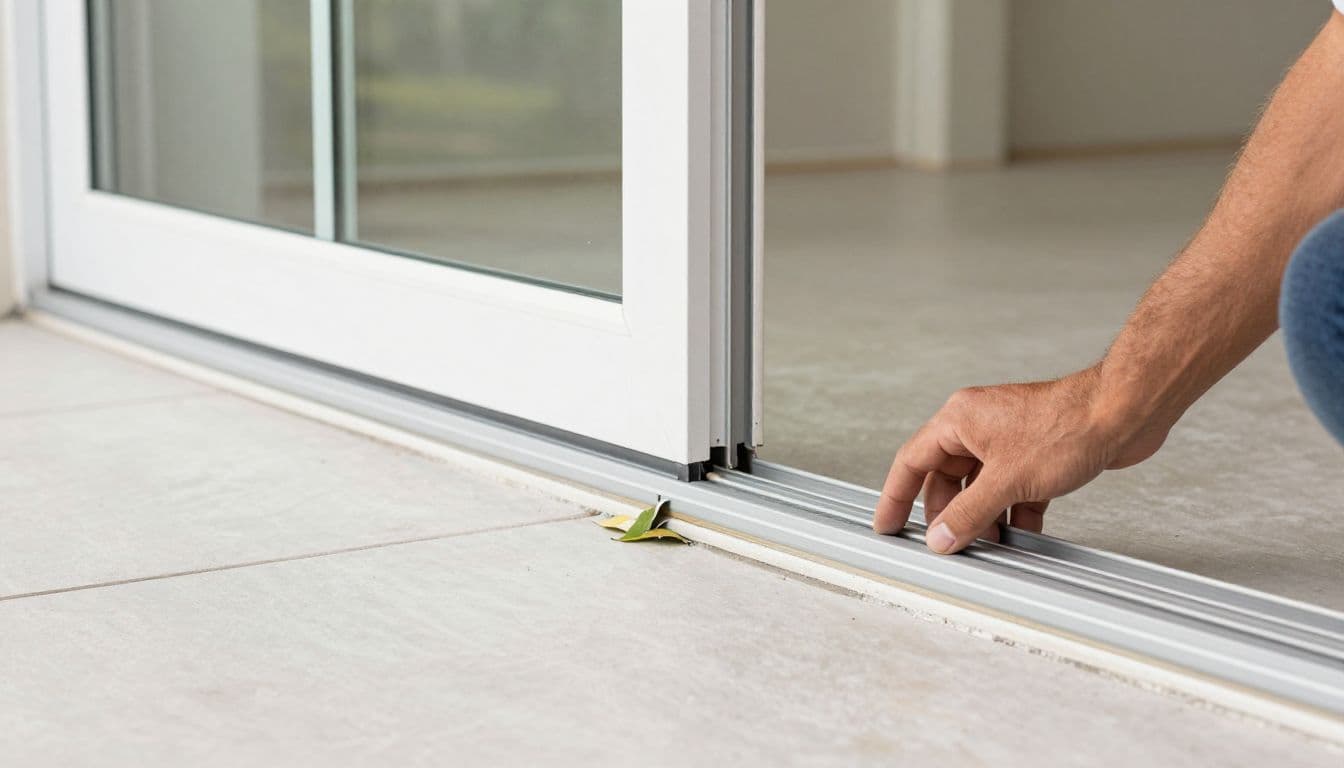
Visible changes that call for a closer look
A damaged patio door often shows one or more of these clues:
- The aluminum track has a flattened spot, crack, or bowed section where the door rolls.
- Screws sit proud of the sill, or the sill separates from adjacent flooring.
- Paint bubbles, stained trim, or soft flooring appear beside the opening.
- The screen door rail is loose, dented, or no longer stays parallel to the glass door track.
- Water remains in the track long after rain, even though the exterior weep holes look open.
Light oxidation or shallow scratches on aluminum are often cosmetic. A threshold with deep pitting, split corners, or loose sections may indicate water intrusion or concealed rot. Stained trim and soft flooring make that concern more urgent.
Don't pry up the frame or remove the glass to investigate. Those steps can worsen damage and expose flashing that may require professional repair.
Door movement can reveal hidden trouble
Open the sliding glass door slowly. If it catches at the same point each time, inspect that section for a dent or embedded debris. If a confirmed dent affects the running surface, a replacement rail may be appropriate.
If the panel drags everywhere, dirty rollers or a door that has dropped out of adjustment are more likely.
Also check the lock. A latch that suddenly misses its strike can reflect panel sag or frame movement, not necessarily sill damage. The sill may still be intact, but the door needs attention before continued use causes further damage.
Get help for active interior leaks, soft wood, widening gaps, blackened or crumbly material, or a sill that moves under light pressure. A qualified contractor or door professional should assess possible rot, framing damage, or inaccessible flashing.
Find the cause before choosing a repair
A patio door threshold can appear sound while a wet subfloor or worn rollers remain hidden below it. Track covers can hide cosmetic wear, but they can't correct a wet base or failed support. Start with the simplest checks and work toward the structure.
Clear the track and drainage paths first
Vacuum grit from both the main track and screen channel. Then use a soft brush and mild soap to clean the patio door's lower channels. Keep weep holes clear so rainwater can move outside rather than backing up under the panel.
Don't punch weep holes with a large nail or drill bit. Enlarging them can damage the sill and disrupt the drainage design. A plastic zip tie, carefully used compressed air, or a narrow non-metal probe is safer.
After cleaning, pour a small amount of water into the exterior track. It should drain through the intended openings. If water runs toward the interior, stop there and call a qualified door professional. The threshold may conceal failed flashing, an incorrectly sloped sill, or a blocked drainage route you can't reach from above. A concealed threshold installation problem isn't a simple cleaning task. If the sill flexes, or the frame or subfloor feels soft, call a qualified contractor.
Check rollers and frame alignment
A sliding patio door usually has roller adjustment screws near the lower edges of the moving panel. Raising a sagging panel slightly can restore clearance above the track. Make small, equal adjustments, then test the door after each change.
Don't remove a heavy glass panel alone. Removal may require two trained people or a professional. If the panel still binds, identify the door's manufacturer and model before ordering replacement parts. Some systems use a replaceable running surface or replacement rail, while others need a complete assembly. Look for an OEM replacement component when available. Forcing an off-brand rail into the opening can change the panel height and prevent a weather-tight seal.
Patio door threshold repair options
The right patio door threshold repair depends on whether the issue involves cosmetic wear, weatherproofing, hardware, a localized running surface, or structural damage. This comparison also shows when replacement is more sensible than a temporary patch.
| Condition | Appropriate repair | When to bring in a pro |
|---|---|---|
| Cosmetic dirt, leaves, or mild corrosion | Clean the track and clear weep holes | Water still pools after cleaning |
| Hardware causes dragging, but the track is straight | Adjust or replace rollers | The glass panel is hard to lift or unsafe to remove |
| Weatherproofing failure, blocked drainage, or minor water entry | Restore drainage and renew compatible exterior-grade sealant | Leaks continue, or flashing has failed |
| Localized wear on the running surface or screen door rail | Install a manufacturer-matched sill cover or compatible secondary-channel part | The base is uneven, flexes, or drainage is blocked |
| Bent or cracked door threshold | Replace the damaged section with an OEM replacement rail or matched part | Damage reaches the frame or flooring |
| Structural flexing, soft wood, or loose frame | Repair the subfloor, flashing, and structural support before surface parts | Always, because this work affects water control |
| Frame, multiple components, or water-control system beyond economical repair | Consider a replacement patio door | Have a pro verify the opening, drainage, and installation |
The key takeaway is simple: repair the support beneath the threshold before the visible metal. A cover or rail isn't an appropriate fix for rot, a moving frame, failed flashing, or a soft subfloor. It will loosen again when the base moves.
Cleaning and roller service solve many dragging doors
Once the track is clean, inspect the rollers. Flat spots, rust, and seized bearings create enough drag that people start yanking on the handle. That extra force can bend a weakened track lip.
Replace rollers with parts matched to the patio door system. A technician can often remove the panel, change the rollers, reset the panel height, and confirm that the sliding glass door locks correctly. This repair makes sense when the frame and sill remain stable. A hard-to-lift glass panel, unsafe removal, cracked rail, or suspected rot calls for a professional.
Sill covers and rails work for localized wear
A stainless steel, aluminum, or bronze sill cover can restore a worn walking surface and shield an exposed edge. An aluminum threshold may also suit the opening when its original profile and exposure match the system. Some sliding-door systems accept track covers over the original running rail, but these removable covers aren't substitutes for a structural rail.
Measure the profile before ordering a replacement rail, including length, track width, lip height, channel count, and screw-hole spacing. Measure the screen door rail separately from the main running track. Stock lengths vary. An OEM replacement must match the profile, channel geometry, drainage, and manufacturer system.
Cutting an eight- or ten-foot stainless steel cover may suit a long opening, yet it still needs a firm, level, well-supported base. Use compatible exterior-grade sealant where the manufacturer calls for it, and never seal over drainage paths.
Choosing threshold materials and parts
Material choice for a patio door affects appearance and corrosion resistance. It doesn't give the threshold more load-bearing capacity, improve drainage, or provide structural support. Material matching alone doesn't mean you need a replacement patio door.
Match the material to the door and exposure
An aluminum threshold is common in residential profiles because it's light, durable, and widely available. These profiles suit many sliding glass door systems, though bare aluminum can show scratches or corrosion in salty coastal areas.
Stainless steel offers strong corrosion resistance. For high-traffic openings, stainless steel can make a tough sill cover. In salty coastal areas, stainless steel may suit some exposures better than unprotected finishes.
A bronze threshold suits traditional finishes and develops a natural patina over time. A PVC barrier strip may sit beside the track to guide water, close a small gap, or reduce air infiltration. It isn't structural filler.
Threshold installation may require solid shims, non-shrinking grout, manufacturer-approved support blocks, properly repaired wood framing, suitable flashing, and compatible sealant. Foam alone can't carry a door frame or correct drainage problems. Have a qualified installer handle work affecting flashing, frame support, or drainage.
Measure before you order
Take photos of the full assembly, corner joints, roller track, and identifying marks. Measure the replacement rail in several places, since a bent rail can make one measurement misleading.
Check these details before buying hardware parts:
- Record the door brand and model, if known, to help source an OEM replacement.
- Count the channels and tracks, since a screen door rail can differ from the main panel rail.
- Measure the profile shape, lip height, and screw spacing, not just width and length. Older aluminum rails may also use distinct profiles.
- Check the finish, especially if bronze hardware must match the visible profile.
- Verify whether the component is a cap, rail, sill, or full assembly. Confirm whether the replacement parts include a sill cover, carry a roller, or only cover the walking surface.
Match the profile before ordering an OEM replacement. An OEM replacement shouldn't be forced into place if its shape or mounting points don't align.
A local glass-door supplier can often identify an OEM replacement for older systems from clear photos and exact measurements. This step costs less than ordering a rail that doesn't fit.
When a handle problem looks like threshold damage
A hard-to-grip recessed pull can make a patio door feel worse than it is, even when it operates normally. Check the rollers, track, lock, and sill first, then inspect the threshold before ordering a handle. People often twist, tug, or slam the door when they lack a comfortable grip, so clean the track and test the panel with steady pressure near its existing handle.
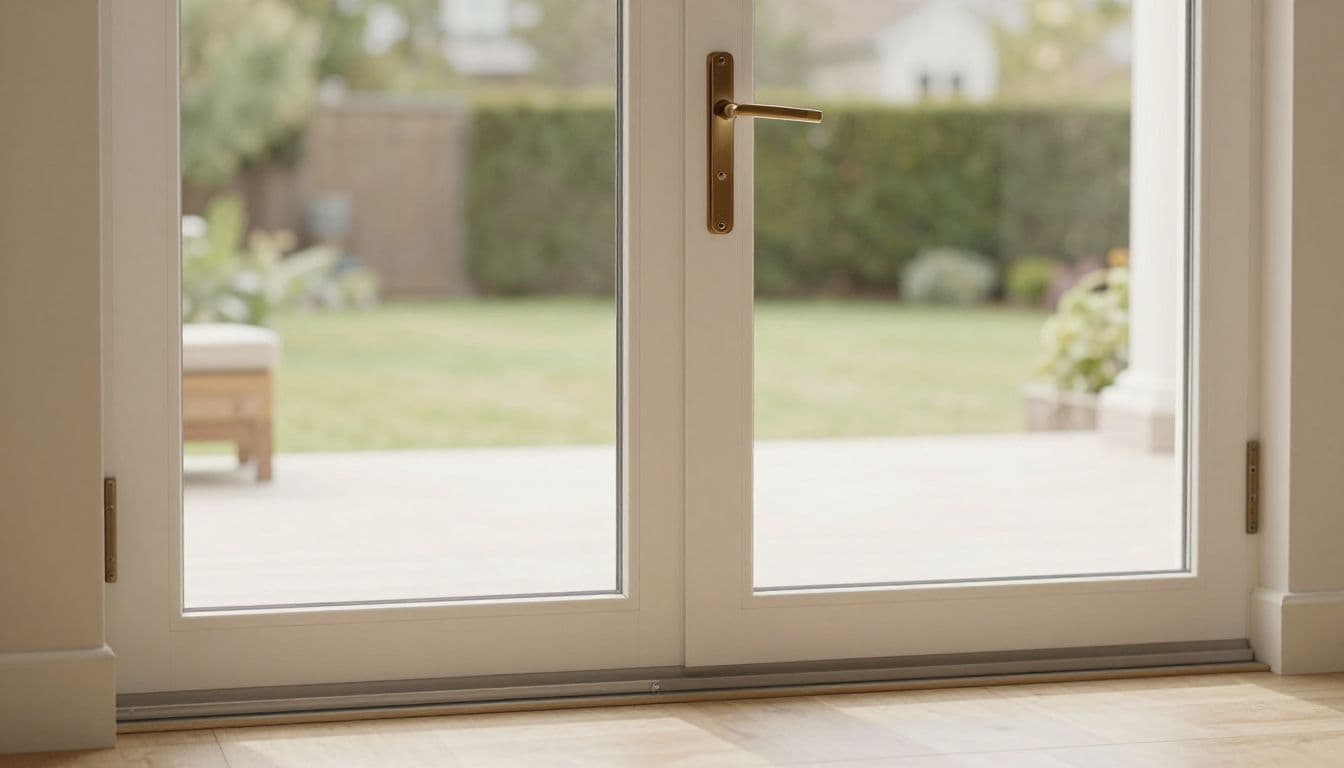
A retrofit handle isn't a replacement patio door. A Sliding Glass Door Replacement Handle may improve control after those checks. Luuv Handle is described as fitting over compatible existing hardware parts, with no alteration to the door and no drilling required. Verify these claims, plus the stated USA manufacturing and patent status through 2037, against current manufacturer documentation.
For doors with a 7.25-inch by 1-inch plate, review the sliding door handle retrofit FAQs before ordering, then confirm the existing sliding glass hardware matches those dimensions. Don't drill, alter, or remove a heavy panel unless the product instructions specifically allow it and you can work safely. The handle doesn't repair a dangerous frame, leaking assembly, bent track, failed drainage, rot, loose framing, or a poor seal.
Prevent threshold damage with simple upkeep
Sweep the patio door track monthly, and clean it more often after storms, landscaping work, or windy days. Sand and grit accelerate roller wear, especially in coastal areas.
Twice a year, inspect the threshold and confirm that the door locks without lifting the panel. Check that water exits through the weep holes, and inspect the separate screen door rail for dents or looseness. Look for soft trim, discoloration, musty odors, recurring interior dampness, loose fasteners, or a sill that moves under light pressure.
Tighten loose visible fasteners only if they belong to a removable cover or hardware piece. If you find rot, structural movement, active leakage, or failed flashing, document it with photos and refer it to a qualified contractor. Don't conceal those problems with caulk.
Keep rugs, mulch, and caulk away from exterior drain slots. These obstructions increase water backup risk. A clean track and open drainage path protect the sill better than heavy lubricant, which often collects dust and turns into sticky grit.
Upkeep may delay choosing a replacement patio door. A failed frame or water-control system can still require a full-unit decision.
Frequently Asked Questions
Can a patio door threshold support normal foot traffic?
Yes. A properly installed threshold is designed to handle people stepping across the opening during ordinary use. It should not flex, move, or feel soft underfoot.
Does a dragging patio door mean the threshold is damaged?
Not necessarily. Dirt, worn rollers, or panel misalignment commonly cause dragging, while grinding or catching at one point may indicate a damaged running surface. Clean the track and check the rollers before choosing a threshold repair.
Can I cover a damaged patio door threshold with a sill cover?
A matched sill cover can work for localized cosmetic wear or an exposed running surface when the base remains firm, level, and properly drained. It isn't a substitute for repairing rot, failed flashing, a soft subfloor, structural flexing, or a cracked rail.
How do I know whether to replace the rail or the entire patio door?
A replacement rail or OEM-matched part may suit a localized track problem when the frame, sill support, and drainage remain sound. Consider a replacement patio door only after a professional verifies that the frame, multiple components, or water-control system are beyond economical repair.
When should I call a professional about a patio door threshold?
Arrange an inspection for active interior leaks, soft or blackened wood, widening gaps, loose framing, failed flashing, or a sill that moves under light pressure. Professional help is also appropriate when a heavy glass panel must be removed or the damage reaches the frame or flooring.
A Sound Threshold Keeps the Whole Door Working
A patio door threshold is often repairable when it stays firm, so clean it and test drainage first.
Inspect the rollers and alignment, then choose a profile-matched sill cover or replacement rail for localized wear. Stainless steel may suit some covers, but it won't correct weak support or drainage defects.
Repair flexing support, active leaks, soft framing, rot, or poor drainage before cosmetic work, rather than hiding them under a cover. Smooth operation reduces strain on a patio door's hardware and frame. A qualified professional can decide whether a matched OEM replacement is enough or a replacement patio door is warranted.