

That scrape above your patio door can make every trip outside feel like a fight. If you're dealing with sliding door scraping at the header, the first job is to find the contact point, not pull harder on the handle.
A dirty lower track, an uneven panel, or something caught near the upper frame can produce similar sounds. A better grip may make the door easier to hold, but it won't clear a panel that's rubbing. Start by watching how the door moves.
Find the exact point of sliding door scraping
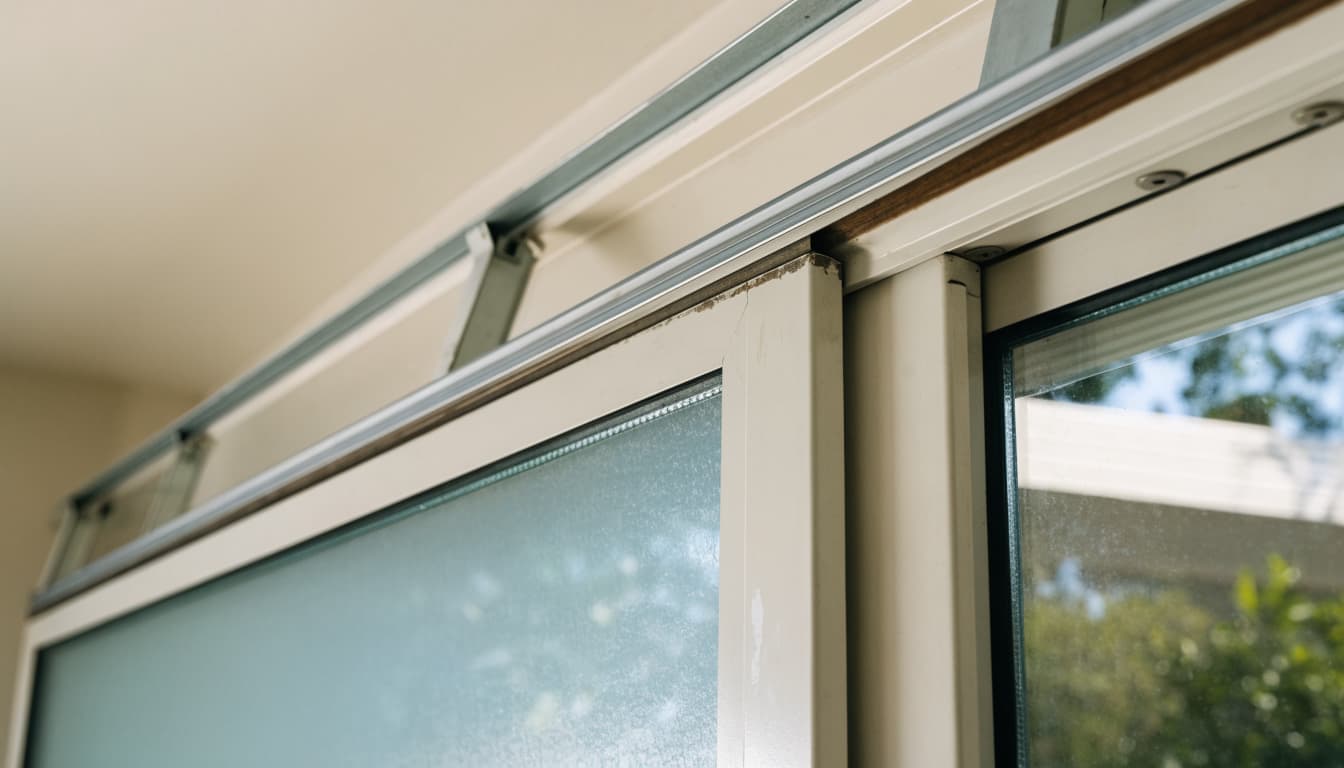
The header is the fixed frame across the top of the opening. If the moving glass panel touches it, you may hear a scrape overhead or see a worn line along the panel's upper edge. First, locate the contact without forcing the door through it.
Watch the door through a short, gentle slide
Open the panel only as far as it moves comfortably, then close it at a steady pace. Listen for where the sound begins. A scrape throughout the journey differs from a brief rub at one position.
Look across the top edge from each side of the doorway. Check for fresh marks, a compressed weatherstrip, or a spot where the gap appears tighter. Also note whether the panel moves straight or seems to shift as it travels. A sound at the top doesn't prove the problem started there.
Rule out nearby surfaces
The screen, sill, and latch can make a sound that seems to come from the header. Test the glass door and screen separately if both move freely. Then check whether the noise happens while the panel slides or only when it reaches the closed position.
A catch at the final inch may involve the latch meeting its keeper. Resistance farther along the track calls for a look at the door's travel path. Write down where the contact occurs before changing hardware.
Clean visible debris before considering parts
Sand, pet hair, and small stones collect in the lower channel. That buildup can interrupt a smooth roll and make a door feel harder to control. Because the track is easy to see, it's a sensible place to begin before ordering rollers or a handle.
Vacuum loose debris from the accessible channel with a narrow attachment. Wipe reachable surfaces with a damp cloth and dry them afterward. Check the ends of the sill, where grit often gathers out of sight. Don't scrape aggressively at the rail or push a tool beneath the glass panel.
Now move the door gently again. If it travels more easily and the upper noise disappears, debris may have been part of the problem. If the scrape stays in exactly the same place, keep looking. A clean channel doesn't rule out worn parts or an issue at the top of the opening.
If cleaning changes how the door moves but doesn't clear the header, stop treating dirt as the whole diagnosis.
Skip heavy grease or a spray applied on a guess. Lubricant won't straighten a damaged track or identify a faulty roller, and some products hold grit.
Read the panel gaps before blaming the rollers
The rollers carry the moving panel along the lower track. Their condition and position may affect how the panel sits, but a scraping sound alone doesn't confirm a roller fault. Visual clues can help you decide what needs a closer inspection.
Compare the visible gaps
With the door nearly closed, look at the space between its moving edge and the stationary frame. Is the gap fairly even from top to bottom? Does the top clearance change as the panel moves? Check the other end of the opening too, since a door can look different at opposite points along the track.
Next, watch the latch. It should meet its keeper without requiring you to lift, twist, or shove the panel. Note any change in alignment, especially if it appeared around the same time as the scraping.
Treat rough movement as a clue, not a verdict
Grinding, jolting, or a panel that seems to drop deserves attention. Those symptoms can point toward the track or roller system, but you can't identify a failed part from sound alone. A visible bend or heavy wear on the lower rail also calls for a closer look.
Don't turn adjustment screws based on a general tip for another brand of door. Screw locations and turning directions vary by model. If you have the door manufacturer's instructions, use them to identify the parts before anyone attempts an adjustment. Otherwise, a sliding door repair technician can inspect the panel and its support hardware.
Check the header, sill, and screen separately
A door can rub at the top because the panel sits poorly in the opening, because something in the upper channel obstructs it, or because a nearby part has moved. Check what you can see without removing trim or disturbing the glass.
Look for contact at the upper frame
Scan the accessible upper channel for loose material or a piece of trim that appears out of place. Compare the wear mark with the position where the sound occurs. If a flexible seal touches the panel lightly, distinguish that contact from a hard scrape against the frame.
Don't cut a seal or remove an upper guide to create clearance. Those parts may help control movement or weather protection. If the upper frame looks bent, loose, or uneven, an inspection is safer than trying to force the panel past it.
Check what sits below the door
The sill and threshold deserve a second look even when the noise is overhead. Note any damaged rail, standing water, or material caught where the rollers travel. A problem below can change how the door moves, while the audible contact happens above.
If there's a separate sliding screen, move it independently. A stiff screen can make the entire patio opening seem troublesome even when the glass panel rolls normally. Sort out which panel scrapes before buying parts for either one.
Know when the door needs professional repair
Some findings call for more than routine cleaning. A panel that binds sharply, shifts unexpectedly, or won't move without force shouldn't be pushed through the opening. Stop using it until someone can inspect the cause.
Call a sliding door repair professional if you see a bent rail, damaged frame, broken glass, or an apparently loose panel. The same applies when scraping persists after the accessible track is clean. A technician can identify the door's roller system and check its position without relying on a guess about which component failed.
Security matters too. If the latch misses its keeper or the lock doesn't hold the closed door, treat that as a separate repair priority. A new pull won't restore a failed lock. Avoid removing a heavy glass panel or altering the frame to investigate; those jobs need the right equipment and knowledge of the door.
Choose a handle only after the door rolls freely
A comfortable grip and a smoothly moving panel solve different problems. Once the glass door slides without scraping and locks correctly, pay attention to how the original handle feels. A shallow finger pull may still be awkward, especially when you're opening the door from outside.
Separate grip trouble from travel trouble
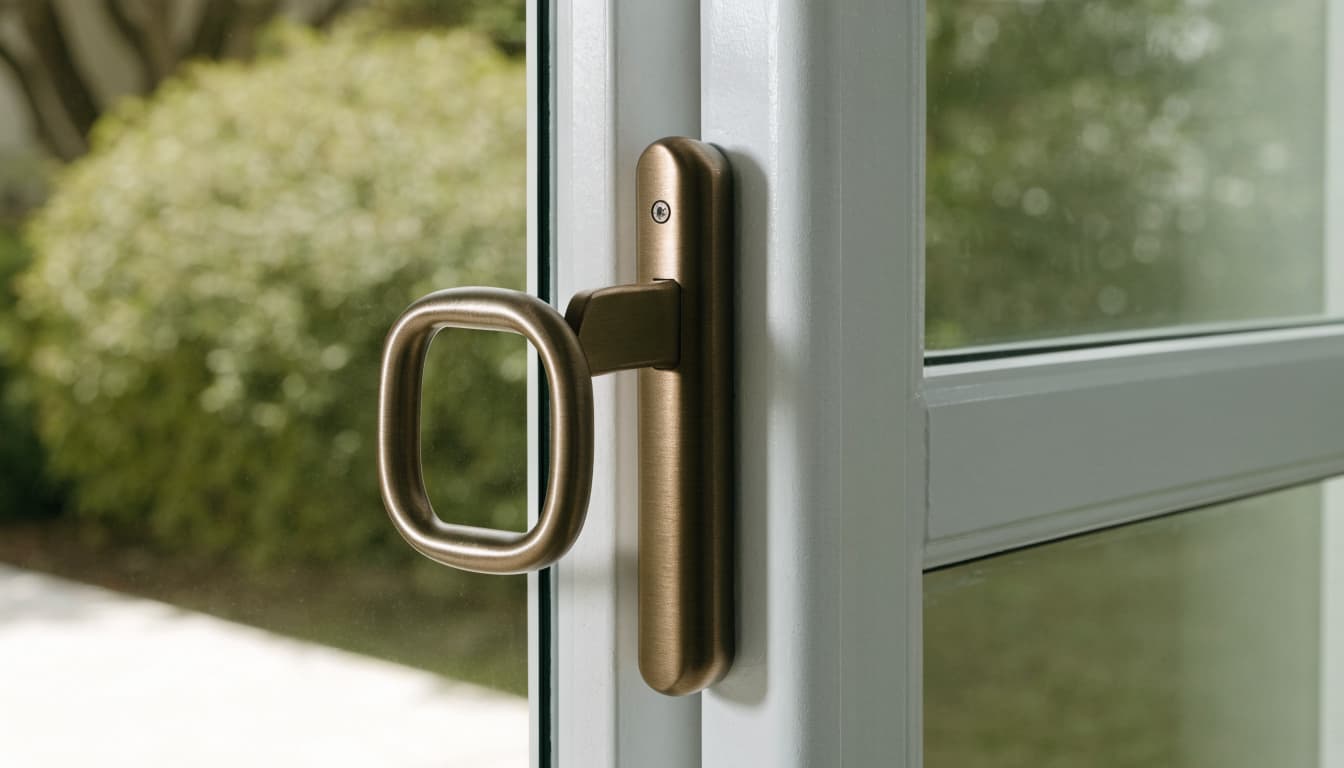
Test the working panel with steady pressure near its existing handle. If it moves smoothly but your fingers slip or the pull feels uncomfortable, a sliding glass door replacement handle may improve control. If the panel still grinds or rubs the header, repair that problem first.
A retrofit grip doesn't replace the patio door, its rollers, or its locking mechanism. It also won't correct sliding door scraping caused by the panel contacting the frame. That distinction can save you from buying a handle when the moving hardware needs attention.
Measure before choosing a retrofit
Luuv Handle fits over compatible existing hardware rather than replacing the original lock and latch. Its sliding door retrofit handle FAQs specify a 7.25-inch by 1-inch door plate. Measure your existing plate and check clearance around the handle, including any nearby screen, before ordering.
Luuv Handle is made in the USA and is a patented product until 2037. It requires no alteration to the door and no drilling. That makes it an option for improving grip when the existing plate fits and the door itself works properly.
Fit a compatible handle after the scraping is fixed
Wait until the glass panel moves correctly and the latch catches without a shove. Then a handle upgrade can address the part you touch every day without confusing a grip problem with a movement problem.
Luuv Handle's handle installation instructions show how the retrofit fits over the existing plate. The basic sequence is to loosen the screws from inside the door, position the handle over the outside plate, seat its top cap, and tighten the screws again. The original handle and lock remain in place. On a compatible door, Luuv Handle describes installation as taking about 30 seconds.
Choose the side you need to improve. For example, a bronze interior retrofit handle addresses an awkward pull inside the room; exterior options are available for the patio side. After fitting any handle, check that it feels secure and that you can still slide, close, and lock the door normally. If it interferes with the screen or latch, don't force either one.
Key Takeaways
- Locate the rub first. A sound near the header doesn't identify the part causing it.
- Clean visible track debris and test the glass panel separately from the screen.
- Compare gaps and latch alignment, but don't guess at roller adjustments.
- Repair persistent scraping before buying a handle. A retrofit improves grip on a working door, not its track or rollers.
FAQ
Can a dirty bottom track make the door scrape at the top?
It may affect how the panel travels, so the bottom track is worth checking even when the sound seems overhead. Remove visible loose debris, then test the door again. If the contact remains, don't assume more cleaning will solve it. Look for where the panel touches and arrange an inspection if the cause remains unclear.
Should I adjust the rollers when the panel touches the header?
Don't adjust them on the strength of the sound alone. First check for debris, observe the gaps, and note whether the latch meets its keeper. Roller adjustment details differ between door models. Consult your door's manual or ask a qualified repair technician to identify the correct procedure.
Will a replacement handle stop the scraping?
No. A handle changes where and how you grip the door; it doesn't create clearance at the header. Address the contact first. If the door then rolls and locks normally but the original pull remains uncomfortable, measure the plate and consider a compatible retrofit handle.
Do I need to replace the entire sliding glass door?
A scrape by itself doesn't establish that the whole door needs replacement. The right repair depends on what inspection reveals about the panel, frame, track, and operating parts. Persistent binding, visible damage, or a lock that won't hold calls for a professional assessment before you decide what to replace.
Conclusion
A header scrape tells you where to listen, not automatically what to replace. Find the contact, clear visible track debris, and check how the panel sits and locks. If it still rubs, have the door inspected rather than forcing it.
Once the slider moves freely, a compatible retrofit handle can make daily use more comfortable without changing the door itself.