

A patio door should invite you outside, not make you brace your shoulder and hope it moves. Yet a small recessed pull, a sticky track, or a tall threshold can turn a daily task into an uncomfortable struggle.
Better sliding patio door accessibility starts with finding the source of the resistance. Often, a few practical changes can make the door easier to open, safer to cross, and more comfortable to use without changing the door itself.
The goal is simple: a door that supports independence instead of asking for extra strength.
How Sliding Patio Door Accessibility Supports Independence
Sliding doors connect the home to a porch, lanai, garden, or pool area. For older adults, that access matters. Fresh air, pets, visitors, laundry, and everyday routines often depend on using that doorway with confidence.
Arthritis, reduced grip strength, shoulder pain, balance changes, and limited mobility can make a standard finger pull hard to use. A door may still be functional, yet its hardware no longer fits the person using it.
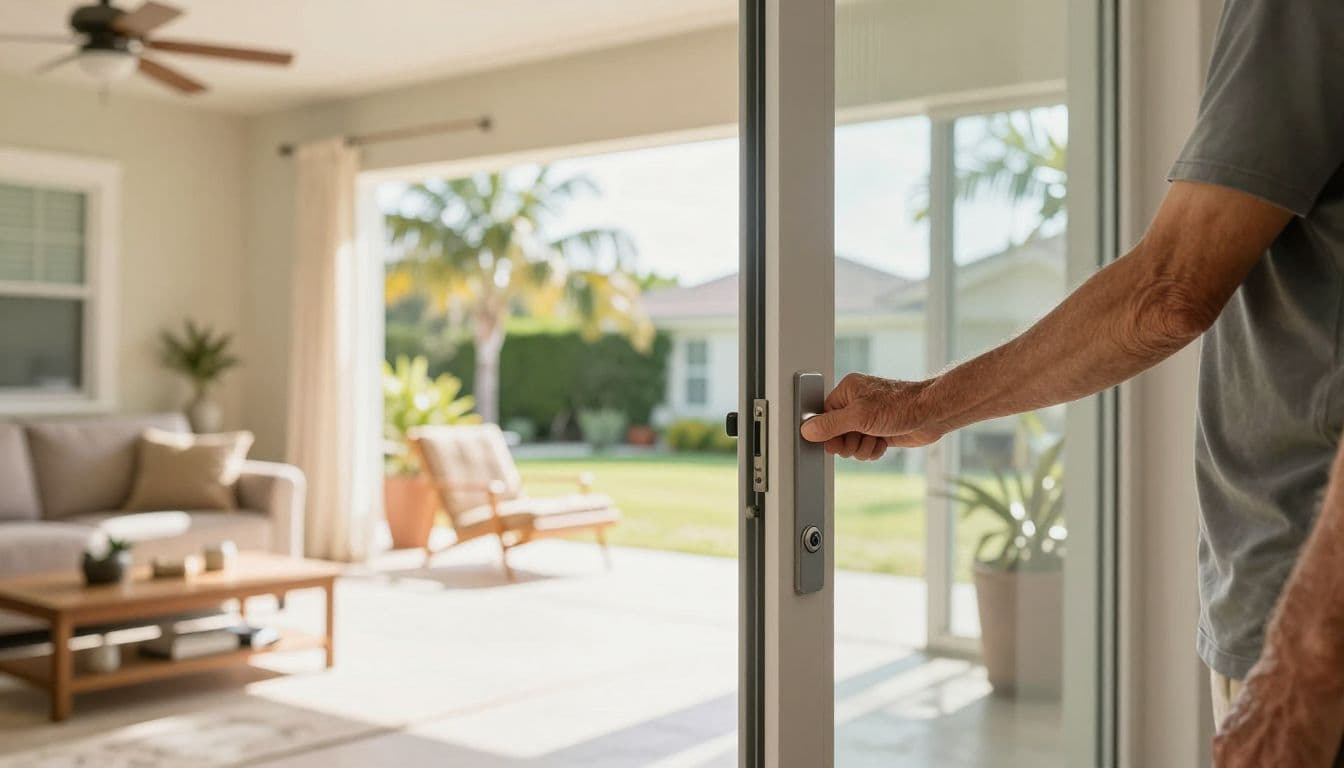
Small grips create big strain
Many sliders have a narrow recessed handle. Opening the door often requires fingertips, a twisting wrist, and a firm pull in one motion. That combination can hurt hands affected by arthritis or neuropathy.
A larger handle gives the palm more surface to work with. It also lets someone pull with a neutral wrist position rather than pinching the edge of a shallow pocket.
Confidence matters at the doorway
People naturally avoid movements that feel unstable or painful. If the patio door sticks, a homeowner may stop using a favorite outdoor space or wait for help to bring in groceries.
A comfortable grip and a freely moving panel remove that hesitation. The door becomes part of normal home life again.
A door that takes two hands or a sharp pull is already asking too much of the person using it.
Find Out Why the Sliding Door Feels Heavy
Before replacing hardware, inspect how the panel moves. A better handle helps with grip, but it cannot correct a door that drags badly across its track.
Start by opening the slider slowly. Listen for scraping, grinding, or a rough stop at one point. Then look at the lower track for sand, pet hair, leaves, dried mud, or small stones. Even a thin layer of debris creates resistance.
Clean the track before adjusting anything
Vacuum loose dirt from the entire bottom channel. Use a soft brush or an old toothbrush for the corners, then wipe the track with a damp cloth and dry it completely.
Avoid packing the track with oily household lubricants. They can attract dust and turn into gummy buildup. Use a lubricant intended for sliding door tracks only after the channel is clean.
Check rollers and panel alignment
If the panel still drags after cleaning, the rollers may need adjustment or replacement. Most sliding glass doors have adjustment screws near the lower edge of the moving panel. Raising the rollers slightly can lift the door off the track.
However, stop if the door rubs at the top, the glass appears loose, or the panel feels unstable. A qualified door technician can inspect worn rollers, a bent track, or an alignment issue without risking damage to the glass.
Make the Handle Easier to Hold
Once the door rolls properly, focus on the point of contact. The handle should fit the user's hand, not force the hand to adapt to cramped hardware.
A useful Sliding Glass Door Replacement Handle has enough depth for a full, secure grip. It should feel comfortable whether the door is opened with the right hand, left hand, or a forearm for extra support.
Choose a full-palm shape
Look for a handle that lets fingers wrap naturally without squeezing. Rounded edges feel better than thin metal lips, especially for someone with sore joints or weak fingers.
Material matters, too. Wood has a warmer feel than bare metal, while a sturdy metal base helps the handle hold up to frequent use. A handle with a visible contrast against the door frame can also be easier to locate in dim indoor light.
Improve both sides of the door
Many homeowners update only the interior pull. That helps, but the outside handle can still be hard to grasp when returning from the patio.
An inside-and-outside set makes sense when the door gets frequent use from both directions. It also prevents the awkward situation where someone can open the slider comfortably but struggles to close it behind them.
For a light-colored frame, a white interior and exterior sliding door handle bundle can provide a coordinated, easy-to-grip option on both sides.
Reduce the Force Needed to Open the Door
Grip strength is only half the equation. Sliding door accessibility improves when the door moves with less force from the first inch to the final inch of travel.
Keep patio furniture, mats, and planters clear of the door's path. A mat that curls at the edge can catch a shoe or cane, while furniture placed too close encourages awkward twisting.
Build a safer approach to the doorway
Leave enough room to stand squarely in front of the handle. A person using a walker needs a clear turning area, while someone with balance concerns benefits from a stable surface underfoot.
Indoor and outdoor flooring should meet as evenly as possible. If the threshold has a raised lip, use a low-profile threshold ramp designed for the location and door clearance. Avoid loose rugs near the opening because they can slide when a person pulls on the door.
Use the lock without fighting it
A worn lock can make the door feel stuck even when the panel rolls well. Test it with the door slightly open, then with the panel fully closed. If the latch needs lifting, pushing, or repeated force, check the alignment.
Don't force a lock that will not engage. Misalignment can worsen over time and may leave the door difficult to secure. A lock repair is separate from a handle upgrade, but both affect how easily the door works every day.
Choose a Retrofit Handle That Fits the Existing Door
Replacing an entire patio door can cost thousands of dollars and disrupt the home. In many cases, the current door is sound, while the old pull is the weak point.
A retrofit handle fits over compatible existing hardware. This approach preserves the original lock and avoids the work of removing the door panel, replacing glass, or patching old screw holes.
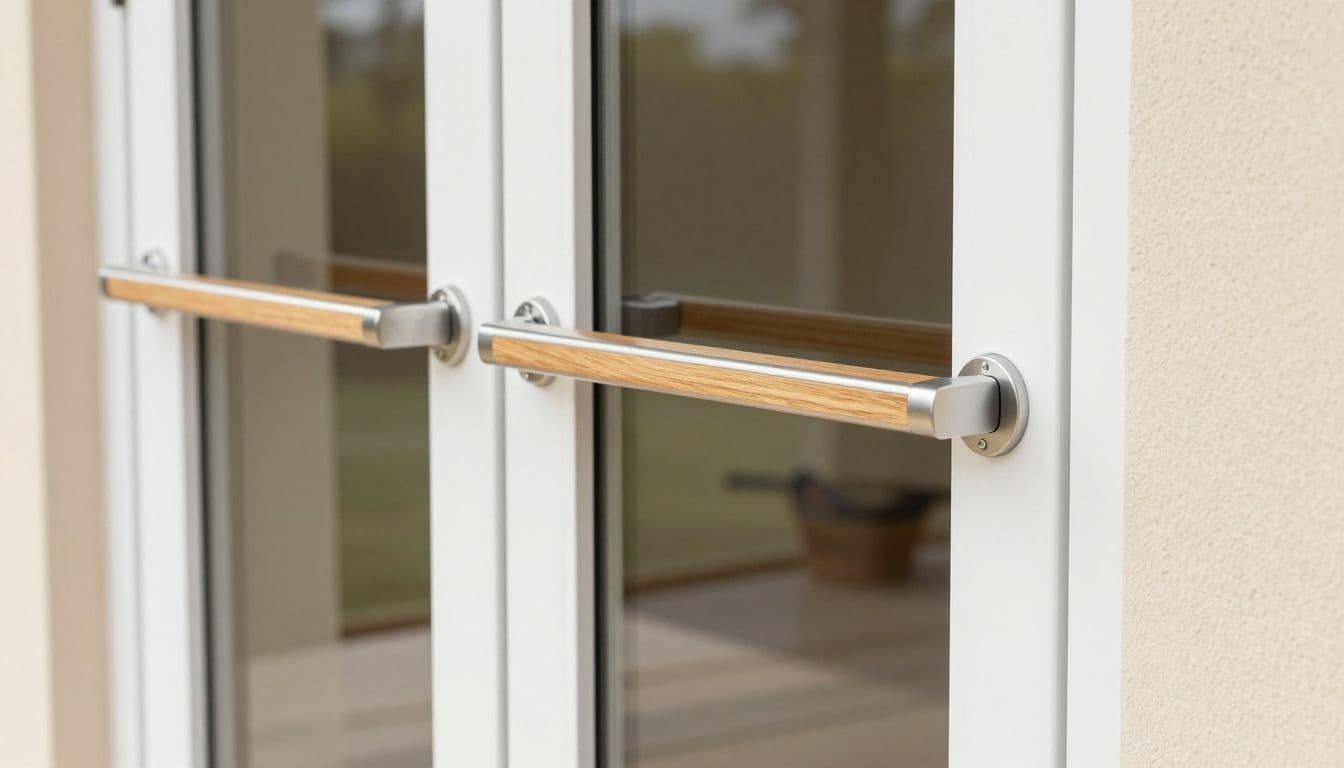
Measure the backplate first
Fit is more important than color. Luuv Handles are made for sliders with a 7.25-inch by 1-inch door plate. Measure the existing plate before ordering, including its overall height and width.
Because the handle installs over the existing hardware, you do not need to identify the door's brand or match its original screw spacing. Still, measuring first prevents a frustrating return.
The sliding door handle compatibility FAQs explain the door plate size and the retrofit fit in more detail.
Pick a finish that suits the room
White works naturally with many vinyl and painted door frames. Bronze can suit darker trim, warm-toned interiors, and homes with bronze hardware nearby.
Luuv Handles use durable steel and water-resistant oak. They are made in the USA by a veteran-owned Southwest Florida business, and the patented retrofit design is protected until 2037. The product requires no alteration to the door and no drilling.
Install the Upgrade Without a Major Project
A handle upgrade should not become a weekend repair project. For a compatible door plate, a Luuv Handle installs in about 30 seconds using the existing hardware.
The basic process is straightforward:
- Loosen the screws on the inside door plate.
- Slide the retrofit handle into position over the existing hardware.
- Seat the top cap, then tighten the original screws.
- Open, close, and lock the door several times to check the fit.
The original handle, latch, and lock stay in place. No drilling, cutting, or door alteration is needed, which is useful for renters, seasonal homes, and anyone who wants to protect the door frame.
Test it under normal conditions
Try the upgraded handle with dry hands, then after carrying a light bag or wearing garden gloves. The grip should feel secure without needing a hard squeeze.
Open the door from inside and outside. Check that the handle does not interfere with the lock, screen door, blinds, or nearby furniture. If the slider feels heavy, return to track cleaning and roller adjustment rather than pulling harder.
For photos and step-by-step details, review the retrofit door handle installation instructions.
Add Simple Features That Make Daily Use Safer
A handle upgrade can make an immediate difference, yet the surrounding area deserves attention too. Good lighting, dry surfaces, and a clear path reduce the chance of a misstep when someone enters or leaves the home.
Place a weather-resistant light near the patio entrance if the doorway is dark after sunset. Inside, a switch within easy reach of the door helps people see the threshold before stepping through it.
Keep the threshold visible and dry
Rain can make patio surfaces slippery, especially around pools and lanais. Use a secure outdoor mat with a low edge, but keep it far enough from the track that it does not block the slider.
A contrasting strip on a raised threshold can help people see where the level changes. Choose a product made for flooring or thresholds, and avoid thick tape that creates another trip edge.
Plan for changing needs
A home that works well now can continue working well later with small updates. Wider clear space around the patio door helps walkers and mobility aids. A stable grab bar near the doorway may help some people, but it needs proper installation into suitable framing.
Start with the simplest improvements first: clean movement, a comfortable handle, and an uncluttered approach. Those changes often address the daily frustration without a large renovation.
A More Comfortable Patio Door Starts With the Grip
A heavy sliding door can limit access to the part of the home that feels most open and relaxing. Cleaning the track and checking the rollers reduces resistance, while a full-palm retrofit handle makes each pull easier on aging hands.
The strongest improvement in sliding patio door accessibility is often the least disruptive one. A well-fitting, no-drill handle can make the existing door more comfortable to use while keeping its lock and structure intact.