

A heavy or difficult-to-slide panel is only a symptom. Dirty tracks, worn rollers, loose hardware, a damaged panel, or a distorted opening may cause it.
Before forcing the glass panel, replacing hardware, or attempting an adjustment, inspect and measure the opening. Uneven reveals, drafts, rubbing, and a misaligned latch are clues to investigate, not proof of frame distortion. Air leaks can affect comfort and may contribute to rising energy bills.
Key Takeaways
- Uneven reveals, rubbing, drafts, latch trouble, and separated trim can point to a warped sliding door frame, but they may also come from dirty tracks, worn rollers, loose hardware, or a misaligned panel.
- Clean the tracks, check the rollers, and measure the jambs, header, straightness, and diagonal dimensions before attempting repairs or replacement.
- Roller adjustments can correct minor panel alignment issues when the opening is straight, but they cannot fix a bowed header, twisted jamb, rot, or an out-of-square opening.
- Moisture, temperature fluctuations, failed fasteners, settlement, and structural damage can distort wood, aluminum, vinyl, or composite frame components.
- Stop and call a qualified contractor if the frame has rot, soft framing, significant movement, glass stress, or a rough opening that shifts.
How to Check a Warped Sliding Door Frame
Start with the door closed and locked. Look at the reveal, the narrow gap between the moving panel and its frame. It should look fairly even from top to bottom.
A shifted frame often leaves clues that roller adjustments cannot solve. Check the vertical jambs, header, fixed glass panel, sill, trim, seals, and visible fasteners, not just the moving panel.
Look for uneven gaps and rubbing
Stand inside, then inspect the exterior side. Light showing through one corner, compressed weatherstripping, or rubbing near the top can point to movement.
Also watch the latch. If it misses the strike plate, check for a shifted panel, loose strike hardware, or a misaligned locking mechanism. Peeling paint, separated trim, and fresh cracks near the opening add to the evidence.
Rule out dirty tracks and tired rollers first
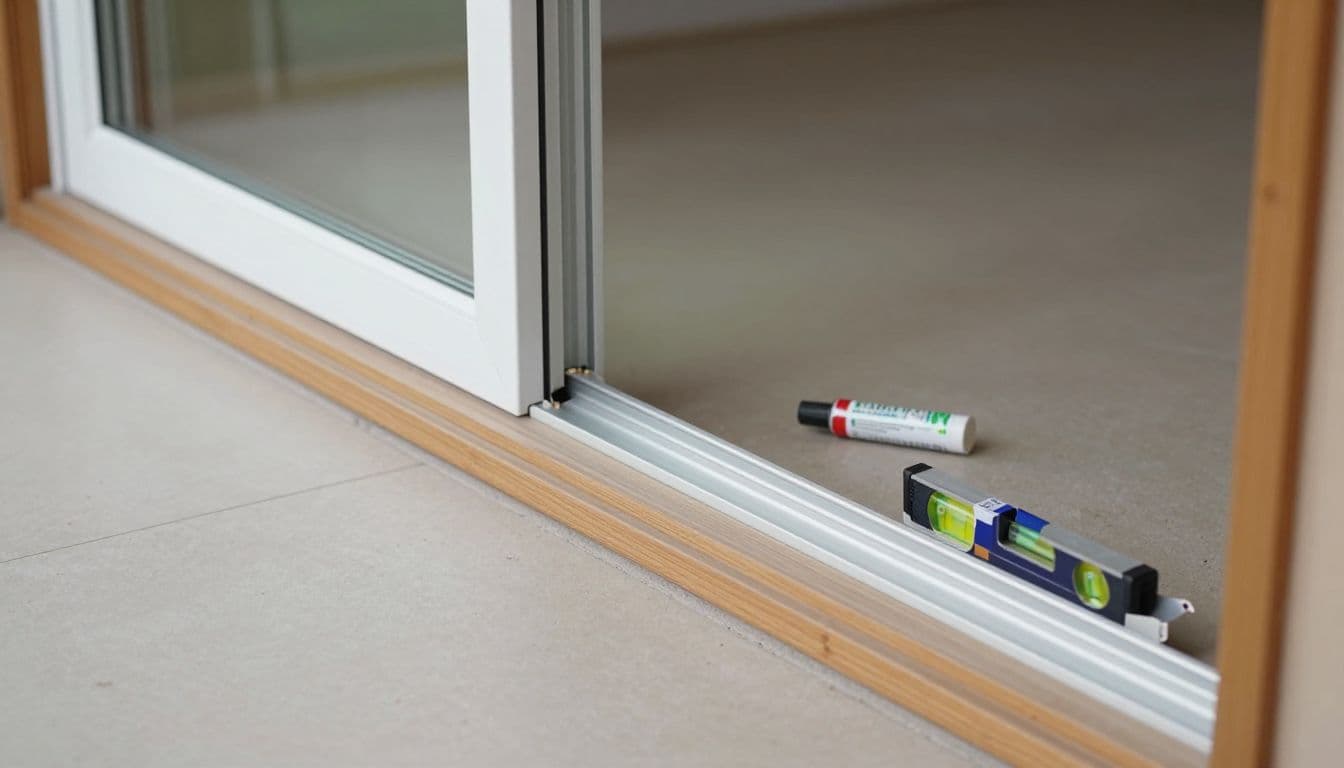
Vacuum grit from the sliding door tracks, then wipe them clean. A bent track, loose hardware, or a panel that's out of square can also cause resistance.
Open the door halfway and lift gently at the handle to check for vertical play. Noticeable movement can indicate worn sliding door rollers.
If cleaning solves debris-related resistance, the frame may be fine. Persistent symptoms call for targeted sliding door repair, not repeated adjustments.
Rollers can raise or lower the moving panel, but they cannot straighten a bowed header or a twisted jamb.
Measure the Frame Instead of Guessing
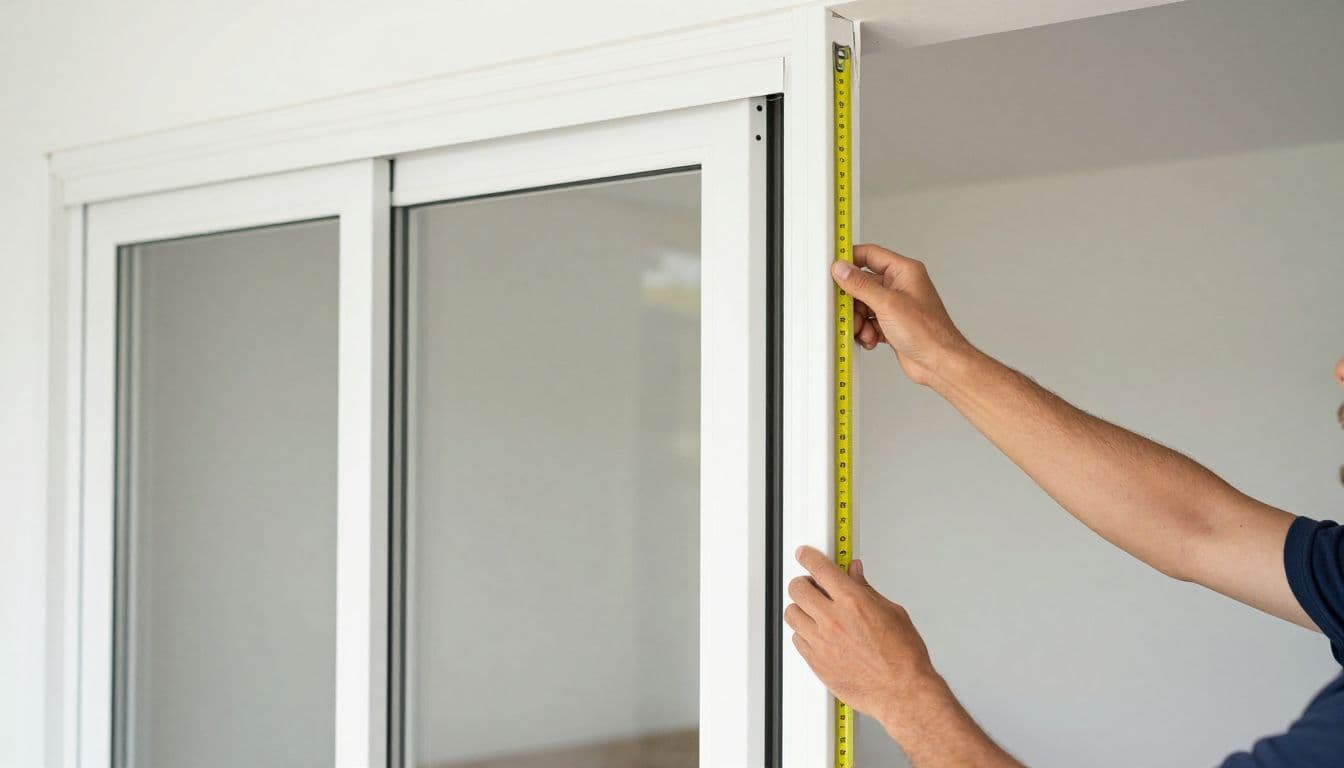
Gather a 4-foot level, metal straightedge, tape measure, pencil, and flashlight. A framing square helps, but diagonal measurements give the clearest answer.
First, hold the level against each vertical jamb and across the top header. Next, press the straightedge against the frame. A consistent gap beneath it reveals a bow or dip. The level checks plumb, while the straightedge reveals surface bends. Neither proves the moving panel or entire frame is warped.
Compare the two diagonal measurements
Measure from the upper-left inside corner of the frame to the lower-right corner. Then measure from the upper-right corner to the lower-left. Write both numbers down.
A small difference can come from normal construction tolerances. However, a clear mismatch paired with binding, drafts, or latch trouble shows that the opening is out of square. Accurate measurements help target sliding door repair, so measure twice before making any adjustment.
You can also check the sill. A dipped wood sill may reflect rot, structural damage, water damage, or loose fasteners.
A moisture meter offers a non-invasive check for suspicious wood, but its reading doesn't replace a professional assessment. Don't pry, shim, or otherwise stress the glass to correct an opening.
Know the common warp patterns
Moisture absorption can swell wood before drying causes shrinkage. Repeated moisture absorption may distort a wood sill or jamb, especially around poorly sealed exterior doors. Seasonal temperature fluctuations can repeat that cycle for years. Solid wood doors may show these changes more clearly than composite doors when they're used as exterior doors.
- Bowing creates a smooth curve along a jamb or header.
- Cupping makes one face of a wood member hollow or rounded.
- Twisting turns one end of a frame piece out of the same plane.
- Crooking bends a long piece sideways along its length.
These patterns can occur together. Solid wood doors can also move at joints or edges, while a wood sill or wood frame component may move independently. Aluminum, vinyl, or composite components may instead shift because of failed fasteners, settlement, or a damaged opening, rather than from door warping. For example, a swollen wood jamb may bow inward while exposure around exterior doors makes its seal compress unevenly.
When Roller Adjustments Can Help
Minor alignment trouble does not always call for a major repair. Most sliding patio door panels have adjustable rollers near the bottom edge. Turning them in small, equal increments can raise or lower a panel and correct a minor reveal or latch issue when the opening is straight. That kind of roller or hardware correction is often a straightforward sliding door repair.
Adjust the panel in small steps
Support the panel's weight as directed by the manufacturer while you adjust it. Turn each screw a quarter turn, test the slide, and check the reveal again. Keep both sides reasonably balanced. Raising only one side too far can make the panel bind at the header.
Make only small adjustments. Stop if the panel binds, the glass shifts, the frame twists, or an adjustment screw resists. Don't pry the panel, lever against the glass, loosen structural fasteners, or force the door into alignment.
Use a silicone-based lubricant sparingly on clean roller surfaces, only if it's compatible with the manufacturer's instructions. Avoid oily sprays that hold dirt in the track.
A visibly bent or deeply worn channel may call for track replacement, while worn rollers may need roller replacement. Neither issue should be blamed on the frame without inspection.
If the door glides well but the latch still misses, stop adjusting the rollers. The strike plate or locking mechanism may be misaligned because of a leaning jamb, loose hardware, damaged panel, or out-of-square opening. That points to a door frame or opening issue, not more roller adjustment.
Repair frame issues at their source
Replace cracked weatherstripping and seal gaps that admit water around exterior doors. On sound wood, treat minor surface damage with wood filler. For solid wood doors, repair failed paint or renew a protective finish before moisture reaches bare grain. These treatments don't fix rot, movement, or a distorted opening.
Loose interior trim can hide a bigger issue. If the header sags, the sill feels soft, the glass shows stress, the frame has pulled away from the wall, or the rough opening moves, suspect structural damage. These conditions need professional repair, not homeowner panel removal. A qualified contractor can assess the opening and complete the needed sliding door repair.
Full sliding glass door replacement makes sense when the frame has extensive rot, insulated glass has failed, or repair costs approach a new unit. Don't remove a heavy glass panel yourself. A qualified contractor can handle safe removal and inspect the rough opening.
Protect the Frame and Improve Daily Use
Keep drainage holes and tracks clear so rainwater can drain from exterior doors. Schedule regular inspections twice each year, checking seals and weatherstripping for wear. Renew failed exterior joints with compatible products, proper surface preparation, and careful sealant application.
After storms, inspect exterior doors and check the surrounding protective finish for damage. Solid wood doors can show moisture absorption sooner than composite doors, but both still need checks of seals, fasteners, and drainage paths. Temperature fluctuations can cause recurring movement, so early maintenance may help prevent repeat sliding door repair.
Once the frame, panel, rollers, and lock operate correctly, a hard-to-grip recessed pull can still frustrate daily use. A white sliding glass door replacement handle adds a more comfortable grip over compatible existing hardware; it won't correct a distorted opening or a misaligned lock.
Luuv Handle is made in the USA and patented until 2037. It requires no alteration to the door and no drilling, so you can improve access without disturbing the repaired frame or original lock.
Frequently Asked Questions
How can I tell if my sliding door frame is warped?
Check for uneven gaps, rubbing, drafts, a latch that misses the strike plate, or trim and seals that have separated. Confirm your observations with a level, straightedge, and diagonal measurements rather than relying on one symptom.
Can worn rollers make a sliding door frame look warped?
Yes. Worn rollers, dirty tracks, a bent channel, or a panel that is out of square can cause resistance and uneven reveals. Clean the track and check for vertical play before blaming the frame.
Will adjusting the rollers fix a warped frame?
Roller adjustments can raise or lower the moving panel and correct minor alignment problems when the opening is straight. They cannot straighten a bowed header, twisted jamb, rotted sill, or out-of-square opening.
When should I call a professional for sliding door repair?
Contact a qualified contractor if the sill feels soft, the frame has pulled away from the wall, the rough opening moves, or the glass shows stress. Professional repair is also appropriate when the frame has significant rot or repeated adjustments do not solve the problem.
Should I replace the entire sliding glass door?
Replacement may make sense when the frame has extensive rot, the insulated glass has failed, or repair costs approach the price of a new unit. A qualified contractor should remove heavy glass panels and inspect the rough opening before replacement.
A Straight Frame Makes Every Other Fix Work
A warped sliding door frame shows through uneven gaps, failed diagonal checks, persistent air leaks, or latch trouble after cleaning and roller checks. A damaged track, loose hardware, or misaligned panel can cause similar symptoms, so rule them out before replacement.
Clean, adjust, and reseal minor issues early. Regular inspections can limit moisture absorption around exterior doors. Homeowners can safely clean, observe, and measure, but repeated roller adjustments won't correct a bowed header or twisted jamb.
Significant movement, rot, soft framing, or glass stress requires qualified assessment. Failed insulated glass or repair costs that approach a new unit's cost may justify sliding glass door replacement.