

Water on the outside of a patio door can look like a sign of damage, but its location matters more than its appearance. Patio door condensation on the exterior surface can be normal, and it doesn't automatically mean the glass seal has failed.
The first step is to find out whether the moisture is on a glass surface or trapped between the panes. That simple distinction can help you avoid treating a glass concern like a handle or door-operation problem.
When is patio door condensation normal?
Moisture on the outer face of the glass can be ordinary surface condensation. By itself, it doesn't prove that the insulated glass seal has failed or that the door needs replacement. The appearance of droplets is only one clue, so identify where they sit before deciding what to do.
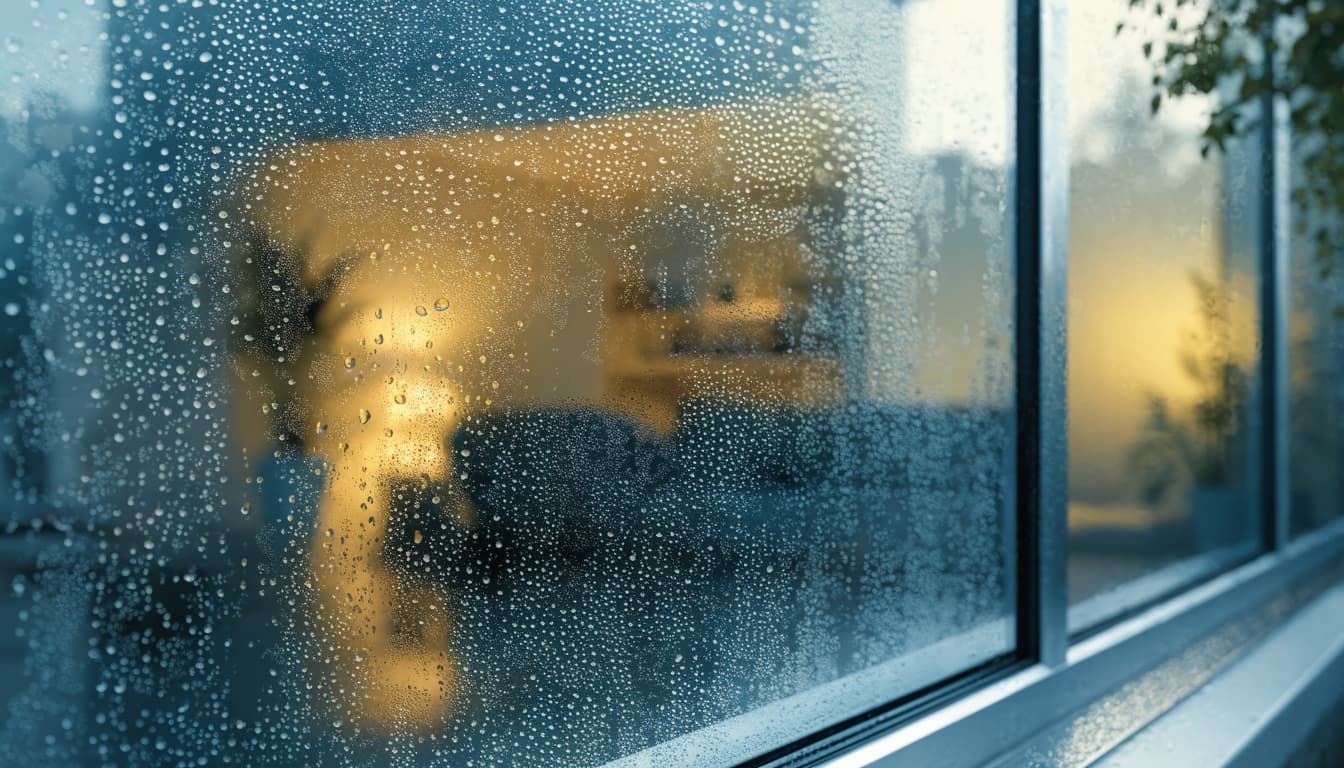
Surface moisture is different from trapped moisture
Condensation on the exterior is on the glass you can touch from outside. It may bead, streak, or form a light film. If it wipes away from the outer face, it was on the surface, not inside the glass unit.
That observation is useful, but it doesn't diagnose every part of the door. It tells you where the water is, not whether the rollers, weather seals, frame, or lock are in good condition.
A single observation doesn't establish a pattern
If you see exterior droplets, note where they appear and whether they clear from the surface. You don't need to assume the glass has failed, but avoid treating one glance as a full inspection. The key distinction is between moisture you can wipe away and haze that remains inside the glass.
Confirm which side of the glass is wet
A short, careful check can narrow down the cause. Use a clean, dry cloth on the outside of the glass, then look at the same area from indoors. Don't remove trim or try to open the insulated glass unit.
Wipe the accessible surfaces
Start with the exterior face. If the droplets come off, inspect the glass from inside and wipe that face as well. This helps separate surface moisture from haze that may be between the panes.
If the glass is high or difficult to reach, don't lean out or climb onto an unstable surface to wipe it. Leave hard-to-access areas to someone equipped to work safely.
Watch whether the haze remains
When moisture stays visible after both accessible surfaces are clean, it may be trapped inside the insulated unit. A cloudy patch that seems to sit within the glass, rather than on either face, deserves closer attention.
For more on this distinction, see our guide to causes of foggy sliding glass doors. It covers haze that appears between the panes, a different issue from droplets on the exterior surface.
What between-pane fogging can mean
Many patio doors use an insulated glass unit, or IGU. It has two panes with a sealed airspace between them. Moisture that collects inside this space can't be wiped off from either side of the door.
A failed seal can let moisture into the unit
Fog, droplets, or a milky haze between the panes points to a failed seal. The glass may still be intact, but the unit's insulating performance can decline when its sealed space is compromised.
This is different from exterior condensation. Wiping the outside won't clear moisture trapped inside the unit, and changing the handle won't repair the glass seal.
Glass work may be needed
When the haze is inside an IGU, replacing the sealed glass unit is often the relevant repair. The whole patio door doesn't automatically need replacement, since a technician can assess whether the frame and moving panel remain serviceable.
Learn more about failed patio door glass seals, including when repair or glass replacement makes sense. If the glass is cracked, treat that as a separate safety concern and arrange professional service.
What else to inspect when the door is hard to use
Exterior water doesn't explain a door that sticks, grinds, or won't latch. Those symptoms point to a separate operation or hardware issue. Check the door's movement before assuming the handle or glass needs replacing.
Test the panel with steady pressure
Open and close the sliding panel using its existing handle. It should move with steady resistance, rather than chatter, drag, or jump. If it sticks, check the track, rollers, lock, and sill for debris or visible damage.
Avoid twisting, tugging, or slamming the door to force it along. Those actions can put extra strain on the frame and hardware. A replacement grip can make a working door easier to hold, but it won't correct a damaged track or worn rollers.
Stop if there's damage or severe grinding
Cracked glass, a bent frame or stile, a damaged jamb, or severe grinding calls for a qualified sliding-door technician. Patio door panels are heavy, and removing one without proper support can damage the glass or cause injury.
Don't lift or remove the panel as a casual troubleshooting step. A professional can assess the moving parts and identify repairs that require panel removal.
When a replacement handle makes sense
A door can slide and lock properly yet still be difficult to grip. If the recessed pull is shallow or uncomfortable, a retrofit handle may improve day-to-day control. It won't affect condensation, but it can address a separate usability problem.
Choose a retrofit for a compatible door
Our Sliding Glass Door Replacement Handle fits over compatible existing hardware with a 7.25-inch by 1-inch plate. It's made in the USA from steel and oak, and it's a patented product through 2037. Installation requires no alteration to the door and no drilling.
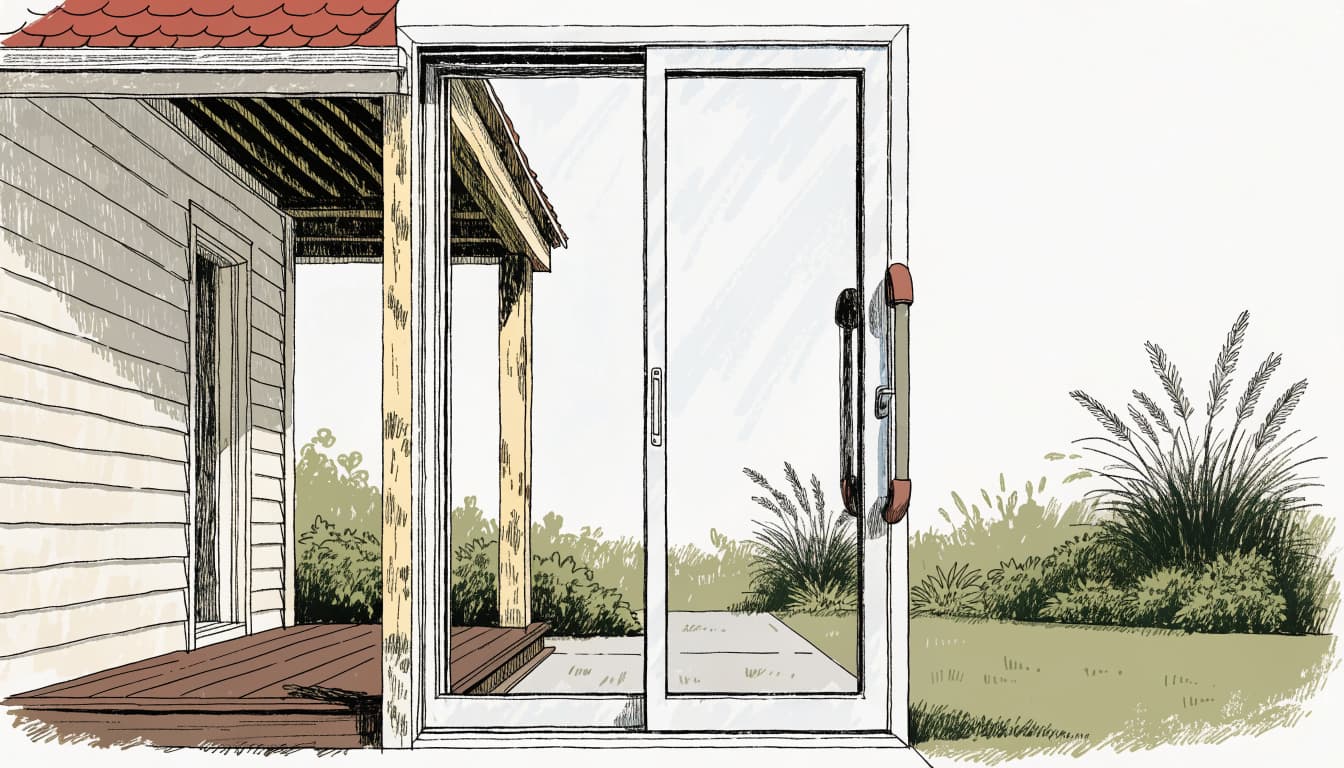
Keep the glass and grip problems separate
On a compatible door, the handle installs over the existing hardware using its current fasteners. The original lock and latch remain in place. Our white and bronze exterior handles cost $30, and installation takes about 30 seconds when the plate fits.
A retrofit handle won't fix fog between panes, a cracked panel, or a dragging door. First match the repair to the symptom: surface moisture needs identification, trapped moisture may need glass service, and a difficult grip may call for a handle upgrade.
When professional glass or door service is appropriate
Some signs deserve more than surface cleaning or a hardware adjustment. The right repair depends on whether the issue is in the glass, the frame, or the moving mechanism.
Get help for trapped moisture or cracked glass
If haze remains after you wipe both accessible faces, a glass professional can determine whether the moisture is inside the sealed unit. A failed IGU may need glass-unit replacement. Cracked glass also needs prompt professional attention.
Get help when the panel or frame is damaged
A panel that grinds severely, won't move, or has a bent stile or damaged jamb needs a door professional. Don't keep forcing it or attempt to remove a heavy panel without proper support. A handle replacement is appropriate only when the door's underlying parts work and the main complaint is the grip.
Key Takeaways
- Exterior droplets can be normal surface condensation, but they don't prove the glass seal is sound or damaged.
- Wipe both accessible faces to distinguish surface water from moisture trapped between panes.
- Fog or droplets inside an insulated glass unit can indicate seal failure and may require glass service.
- Track, roller, latch, and handle problems are separate from condensation.
- A retrofit handle can improve grip on compatible doors, but it won't repair the glass or sliding mechanism.
Frequently Asked Questions
Does exterior condensation mean my patio door is failing?
No. Moisture on the outdoor glass surface alone doesn't establish that the insulated unit has failed. Check whether the water wipes away and whether haze remains between the panes.
How do I tell if condensation is between the panes?
Wipe the outside and inside surfaces with a clean cloth. If the haze or droplets remain in the same spot and can't be reached from either side, the moisture may be inside the sealed unit.
Can a new handle stop patio door condensation?
No. A handle improves grip and operation; it doesn't change the glass seal or remove moisture between panes. Address each symptom with the repair suited to it.
Should I replace the whole door if the glass is foggy?
Not necessarily. A professional can assess whether the sealed glass unit can be replaced while keeping a sound frame and panel. A damaged frame or other operating problems may affect the repair decision.
Identify the Moisture Before Choosing a Repair
Exterior surface condensation can occur without proving a glass failure. Moisture trapped between the panes is a different concern, while a stiff or hard-to-grip door points to hardware or movement.
Start by locating the water, then match the next step to what you find. A clear diagnosis prevents a handle upgrade from being mistaken for a glass repair, or vice versa.