

A dragging patio door can tempt you to order parts before checking who should pay for the repair. Your sliding glass door warranty is the place to start, but the written terms matter more than a "lifetime" label.
Before you loosen hardware or schedule service, confirm the covered component, claim deadline, and approval requirements. A better handle may solve an uncomfortable grip, while damaged rollers, glass, or locks need a different repair.
Start by finding the documents that apply to your specific door.
Find the Right Sliding Glass Door Warranty
The door, installation work, and an aftermarket handle may have separate warranties. Keep those documents distinct so you contact the right business about the right problem.
A home warranty service contract is another separate agreement. Its coverage and service process shouldn't be confused with the door manufacturer's product warranty.
Identify the door and its paperwork
Look for identifying information on the frame, glass, or original purchase records. Photograph any model labels, serial numbers, and glass markings without removing components.
Then gather the receipt, installation invoice, order confirmation, and warranty document associated with that purchase. If the door came with your home, ask the previous owner, builder, or installer for available records.
Use the manufacturer and model information to locate the applicable warranty version. A current website warranty may differ from the terms supplied when your door was purchased.
Check dates, ownership, and covered parts
Read how the warranty defines its start date. Also check whether coverage depends on registration, proof of purchase, or the identity of the original buyer.
If you purchased the home after installation, look for transfer provisions rather than assuming coverage followed the property.
Finally, identify the specific component involved. Look for separate language addressing insulated glass, frames, finishes, rollers, locks, and handles. Don't apply a glass coverage period to every part of the door.
Save a copy of the document and highlight the claim instructions before contacting customer service.
Match the Symptom to the Component
Describe what the door does before deciding what to replace. "Hard to open" can mean a panel that drags or a handle that gives your fingers too little room.
The distinction matters because a grip upgrade won't correct a mechanical failure.
Use these symptoms to guide your questions, not as proof of warranty eligibility.
| What you notice | What needs evaluation | What to ask about coverage |
|---|---|---|
| Moisture remains between glass panes | The insulated glass unit and its seal | Whether seal failure is addressed |
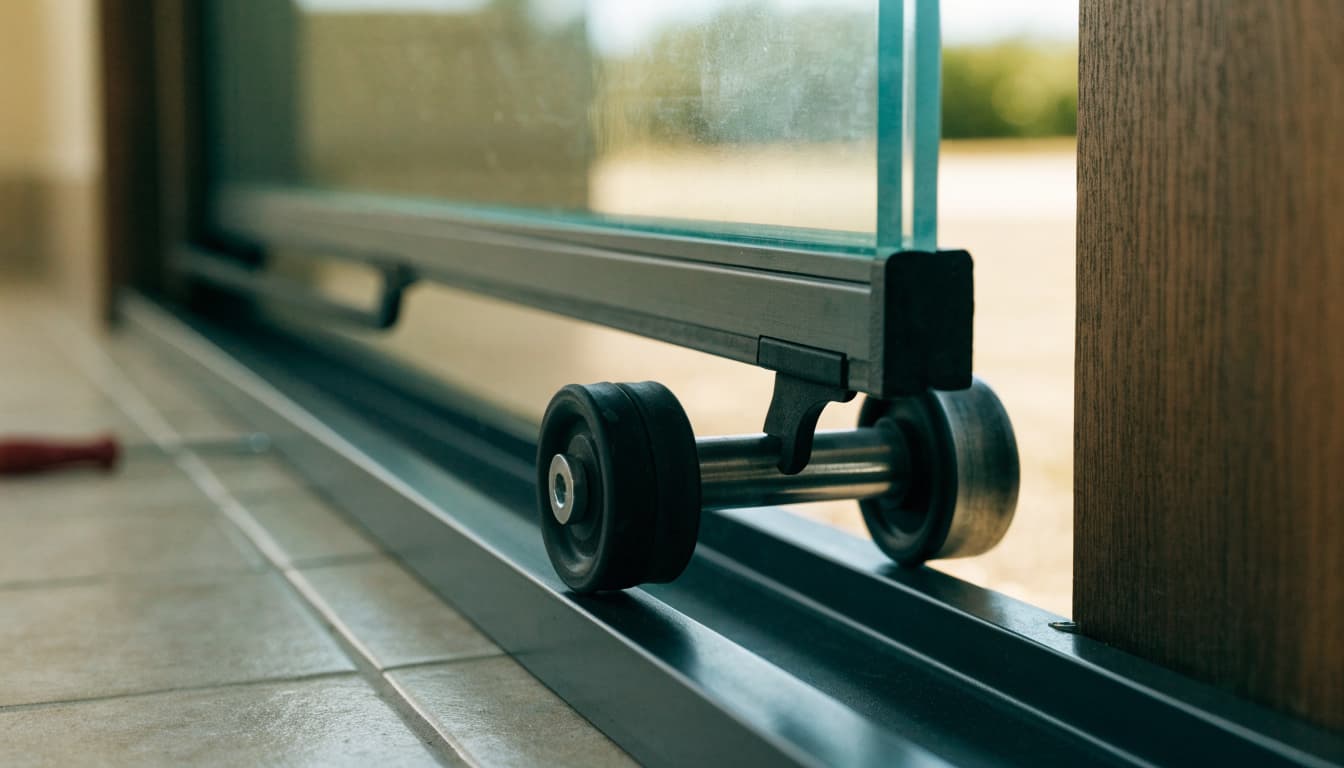
| The panel grinds or drags | Rollers, track, and panel alignment | Whether the diagnosed component is included |
| The latch won't engage | Lock, keeper, and alignment | Whether hardware or installation work applies |
| The panel moves smoothly but feels awkward to grip | Existing handle and hand clearance | Whether this is an upgrade rather than a covered failure |
A diagnosis connects the symptom to the repair. The warranty then determines whether that diagnosed problem qualifies.
For movement problems, review sliding door track troubleshooting before treating the handle as the cause. If the sill looks damaged or water collects near the opening, consider patio door threshold repair options as a separate issue.
Don't force a sticking panel. If the glass is cracked, the frame is bent, or the door won't secure, arrange professional evaluation promptly.
Document the Problem Before Anything Changes
Good documentation preserves the door's condition before cleaning, adjustment, or replacement changes the evidence.
Take wide photos of the complete opening, then close-ups of the affected area. Include both sides of the handle, the visible track, the latch, and any identifying labels. For fogged glass, photograph the moisture before changing weather conditions make it less visible.
Record a short video if the panel drags, rattles, or fails to latch. Use normal operating pressure and stop if movement risks further damage.
Also note when the problem began, whether it followed a storm or repair, and what maintenance you performed. Keep descriptions factual. Report "the latch misses the keeper" rather than declaring that the lock is defective.
Panel removal belongs to a qualified technician when inspection requires lifting heavy glass or exposing hidden rollers.
Before discarding replaced parts, ask whether the claim process requires inspection, return, or additional photographs. Keep repair invoices and correspondence together.
If immediate safety work is necessary, document the condition first when it's safe. Then notify the responsible company as soon as possible. Ask how urgent repairs should be handled instead of assuming reimbursement will follow.
Get Written Approval and a Complete Cost Breakdown
Contact the party identified in the warranty instructions before authorizing nonurgent work. Explain the symptom, provide the door's identification, and attach your evidence.
Request a claim number and keep each response. Written answers are easier to reference than a remembered phone conversation.
Clarify repair and modification requirements
Ask whether the company needs to inspect the door before anyone adjusts or replaces components. Also ask who may diagnose the problem and whether it requires a designated service provider.
If you're considering third-party parts or a retrofit handle, describe the proposed installation accurately. Include whether existing screws are reused and whether the original lock remains in place.
Check the actual warranty language concerning alterations, maintenance, and outside repairs. Don't assume either that all DIY work cancels coverage or that every no-drill upgrade is permitted.
For an impact-rated door, request guidance before changing glazing or structural hardware. Have a qualified contractor check the applicable product specifications.
Separate parts coverage from service expenses
Ask for an itemized estimate showing the replacement component and every related charge. Relevant questions include diagnostic visits, labor, shipping, glass handling, disposal, and return visits.
Then confirm which amounts the company has agreed to pay. A replacement part approval doesn't answer every cost question.
Ask whether the service visit is chargeable if inspection finds a problem outside the warranty's coverage.
Before signing, compare the approved claim with the contractor's scope of work. If they differ, resolve the gap in writing. Keep upgrades separate from the warranty repair so responsibility for each charge stays clear.
Choose a Replacement Handle After the Door Works
A sliding glass door replacement handle makes sense when the panel moves correctly and the locking hardware works, but the grip remains uncomfortable.
However, an overlay handle can't rebuild a failed latch, repair damaged mounting points, or straighten a bent track. Address those problems first.
Confirm hardware fit and clearance
Luuv Handle's retrofit products are designed for compatible existing hardware with a 7.25-inch by 1-inch door plate. Measure your plate before ordering, then confirm the hardware matches the product's fit requirements.
Check space near the jamb and any sliding screen. A handle needs clearance throughout the panel's travel, not just when the door is closed.
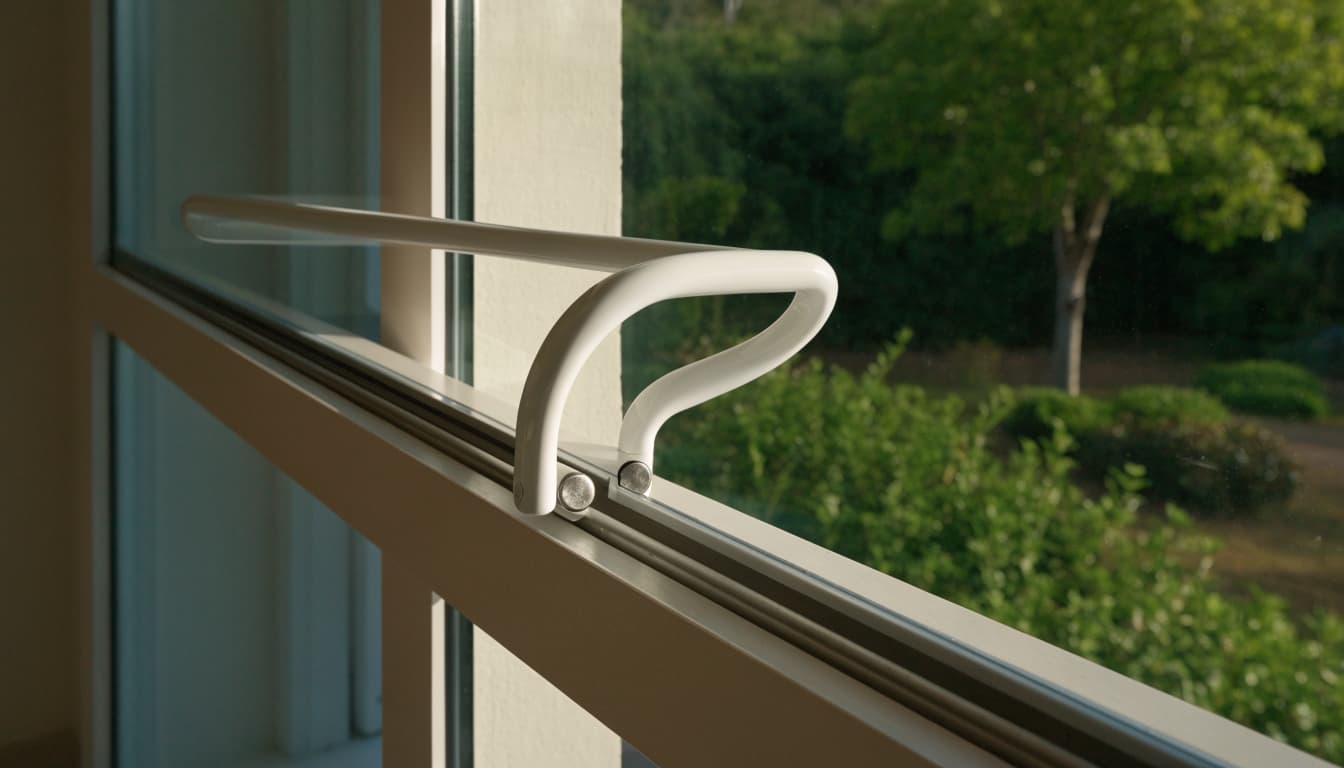
For a dark finish, the bronze retrofit sliding door handle is one option. Interior and exterior models address different sides of the opening, so choose according to where you need a better grip.
Verify the installation before upgrading
Luuv Handle states that its retrofit handle is made in the USA and is a patented product until 2037. Confirm current product and patent documentation before purchasing.
The compatible retrofit requires no alteration to the door and no drilling. It fits over existing hardware while keeping the original lock and latch in place.
The company describes installation as taking about 30 seconds on a compatible door. Follow the sliding glass door handle installation instructions, including positioning the handle and securing the existing screws.
Afterward, test full travel and locking. Although the design avoids new holes, ask the door manufacturer about your applicable warranty before installation.
Key Takeaways Before You Authorize Repairs
A short check can prevent paying for the wrong fix or losing evidence needed for a claim.
- Find the warranty associated with your door's purchase and identify the affected component.
- Photograph the problem before adjustments, disassembly, or disposal of old parts.
- Get written answers about approval requirements and responsibility for labor and service charges.
- Consider a retrofit grip only after the panel, mounting hardware, and latch work correctly.
Keep the claim documents and upgrade purchase records separate. That makes future questions easier to resolve.
Sliding Glass Door Warranty FAQ
Does a warranty cover a broken handle?
Check the hardware provisions and exclusions in your specific document. Coverage depends on the written terms and the diagnosed cause, so a broken handle alone doesn't establish eligibility. Send photographs of the handle and mounting area before buying a replacement. Also ask whether the company needs the original part for inspection.
Can I install a no-drill handle while the door is under warranty?
Ask the manufacturer about the proposed product and installation method. A retrofit that leaves the lock and latch in place avoids some physical changes, but that doesn't establish warranty approval. Provide the product instructions and request a written response. If a repair claim is already open, ask whether installation should wait until inspection is complete.
What should I do if my claim is denied?
Request the written reason and the warranty provision supporting the decision. Compare that explanation with your purchase records, diagnosis, and photographs. If information is missing or incorrect, submit it through the company's review process. Before paying for repairs, obtain an itemized quote that separates necessary work from optional improvements. Keep the denial and final invoice with your door records.
Protect Coverage Before Improving the Grip
Check your sliding glass door warranty before committing to nonurgent repairs. The strongest starting point is clear documentation of the component, symptom, and proposed work.
Once the door slides and locks correctly, choose a compatible handle for better everyday control. Keep the repair decision and grip upgrade separate so each solves the problem it's meant to address.