

A loose sliding door glazing bead is more than a cosmetic problem: it can mean the glass is no longer held securely in its frame. Because bead designs vary, the safest repair is to have a glazing professional assess a bead that has come loose rather than forcing it back into place.
The bead is separate from the door handle, gasket, and lock. Knowing which part has moved helps you describe the problem clearly and avoid buying hardware that won't fix it.
Key Takeaways
- A glazing bead is trim that helps hold the glass in the door frame. A gasket is a separate sealing component.
- If the bead is loose, the glass shifts, or the frame looks damaged, contact a glazing professional.
- Don't force a bead back into place. The correct repair depends on the door's design and the condition of the glass and frame.
- A replacement handle can improve grip, but it won't secure loose glazing.
- Luuv Handle's retrofit grip is a separate option for compatible doors. It is made in the USA, patented through 2037, and requires no door alteration or drilling.
What a Sliding Door Glazing Bead Does
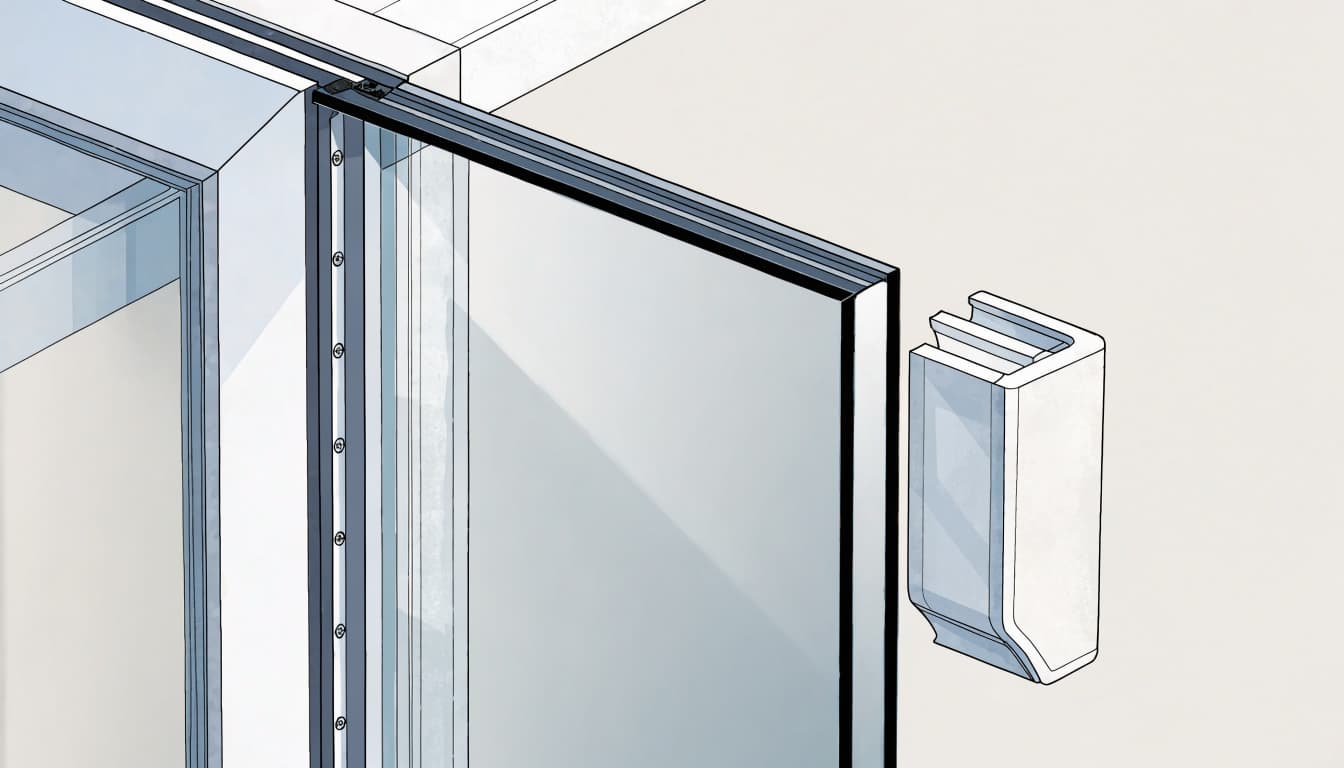
A sliding door glazing bead is a narrow piece of trim fitted along the edge of the glass. Depending on the door design, it helps retain the glass within the frame. It may sit along one or more sides of the panel, and its shape and attachment differ between door systems.
How the bead differs from the gasket
The bead and gasket are easy to confuse because both sit near the glass edge. The bead is a trim or retaining component. The gasket is a sealing material that helps cushion the glass or limit air and water entry, depending on the assembly.
A loose strip may not be the bead at all. If you're unsure what you're seeing, a photo of the affected corner can help a glazing professional identify the part before any removal. Our guide to sliding door glazing gasket replacement covers how gasket concerns differ from other door hardware issues.
Why the distinction matters
A handle, lock, gasket, and bead each have separate jobs. Tightening a handle screw won't secure loose glazing, and replacing a gasket won't restore a bead that no longer holds its position.
That distinction is especially important if the glass has shifted. A change in the panel's position can indicate an issue beyond a loose piece of trim, so treat it as a safety concern rather than a minor appearance fix.
Diagnose What's Loose Before Choosing a Repair
Start by observing the door without pulling, pressing, or prying at the trim. Note where the bead has separated and whether the gap is limited to one area or runs along a longer section. Also watch for movement in the glass or changes in how the panel sits in the frame.
Signs the problem may involve the bead
A visible gap at the edge, a bead that appears out of line, or a loose section of trim can point to a bead problem. However, appearance alone doesn't confirm whether the part has simply shifted, become damaged, or lost support from another component.
Avoid trying to test the fit by pushing the bead inward. If it resists, forcing it could damage the trim or add pressure to the glass. A professional can identify the profile and assess how it attaches.
Signs the cause may be elsewhere
Look for cracked glass, a bent or distorted frame, moisture or fog between insulated-glass panes, or a panel that seems to move within the frame. These symptoms can indicate a different repair from bead adjustment.
Fog or droplets between panes are particularly easy to misread. The visible gasket sits outside the sealed space between the panes, so changing it won't repair a failed insulating glass unit.
When a Glazing Professional Should Handle the Repair
Contact a glazing professional if the glass shifts, the bead is loose, or the gasket appears trapped inside the frame. These warning signs call for an assessment of the assembly, not a quick push on the trim.
Don't continue using a panel that seems unstable
A sliding glass panel is heavy, and the bead may be part of the system that holds it in place. If the glass moves, the frame is distorted, or a pane is cracked, keep people clear of the affected area and arrange professional service. Don't remove the panel yourself.
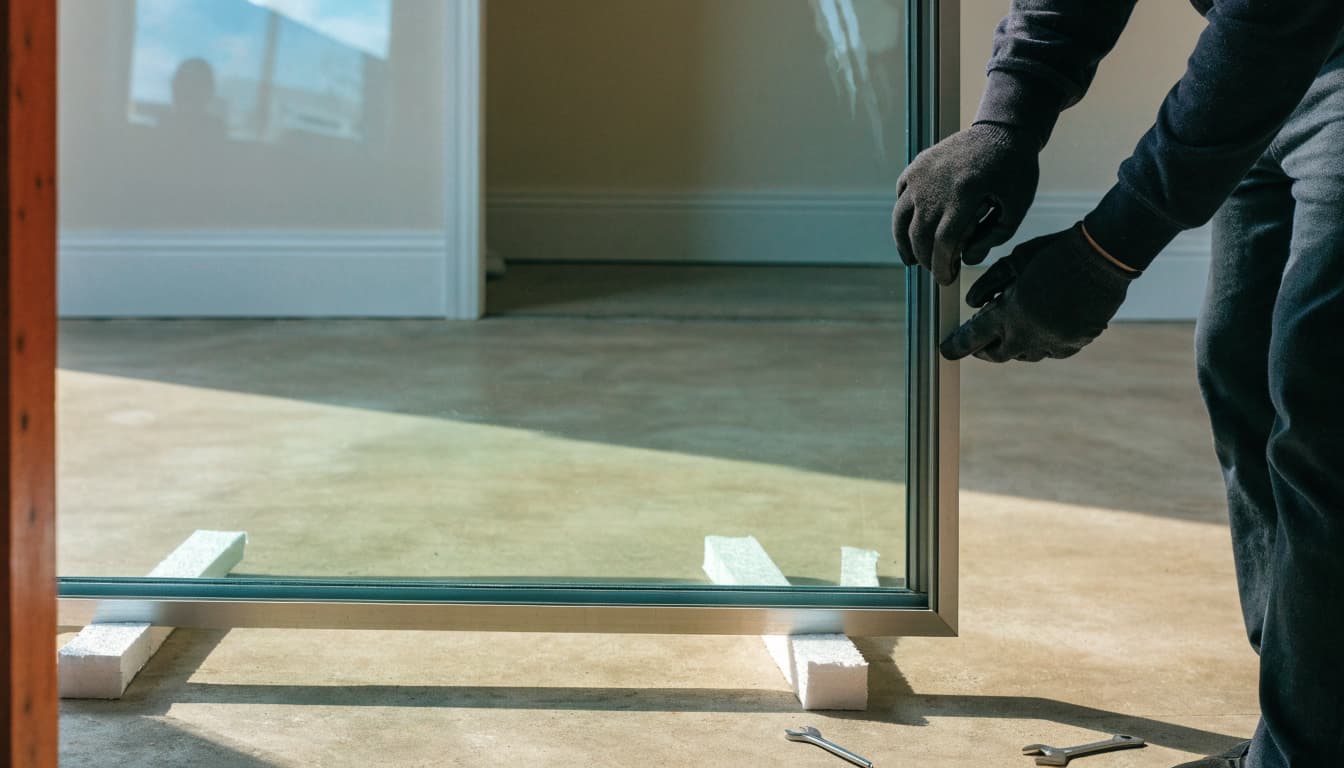
A technician wearing work gloves inspects the edge of a sliding glass door panel resting on foam supports.
Stop if a part won't seat without force
A replacement part that won't fit smoothly may be the wrong profile, or another part of the frame may be damaged. Don't trim, bend, or force it into place. A glazing professional can assess the assembly and match the repair to the door.
For cracked glass, frame damage, or other glazing concerns, see our sliding patio door glass repair guide. A professional can determine whether the issue involves the glass, frame, or retaining components.
What a Proper Repair Involves
There isn't one universal method for repairing a loose bead. Door manufacturers use different bead profiles and frame designs, and a repair that fits one system may not suit another. The right work depends on what the professional finds once they identify the door and inspect the affected area.
The assessment should distinguish a displaced or damaged bead from a gasket issue, glass movement, or frame distortion. If the bead itself is damaged, the replacement must match the existing profile and the door assembly. A part that looks similar may not fit or retain the glass correctly.
The repair also needs to leave the glass stable and the surrounding components in sound condition. If a bead won't sit in place without pressure, that resistance is useful information for the technician. It shouldn't be overcome by repeated force.
When you arrange service, describe where the gap appears and mention any movement, cracks, water entry, or fog between the panes. Those details help the professional understand the concern before examining the panel.
When the Problem Is Actually the Gasket or Glass
A loose bead and a failed seal can appear in the same area, but they aren't interchangeable problems. Identifying the symptom correctly helps prevent a repair that leaves the real issue untouched.
An exposed gasket issue
A gasket may become displaced or damaged, or it may appear trapped within the frame. Because gasket placement varies by door, avoid pulling it out or pushing it deeper. A professional can determine whether it's part of the visible edge assembly and what repair it needs.
If the door also shows signs of water entry, describe where and when it happens. Water around the frame doesn't by itself prove that the bead or gasket caused the leak.
Fog or droplets between glass panes
Moisture between panes of insulated glass points to a problem inside the sealed unit. It isn't the same as condensation on the room-side surface, and an exterior gasket change won't restore the failed seal.
A glass professional can assess the unit and determine whether it needs service. For a loose bead, a shifted pane, or a cracked panel, treat the issue separately from routine cleaning or handle maintenance.
What to Do While You Arrange Service
If the panel appears unstable, cracked, or out of position, keep people and pets away from it. Avoid sliding the door, leaning against the glass, or touching the loose trim. Don't try to tape, glue, caulk, or wedge the bead in place, since an improvised fix can hide the condition or interfere with proper repair.
If the glass looks stable and there are no cracks, still avoid pressing on the bead to see whether it moves. Take a clear photo from a safe distance and note whether the gap changes when the door is opened or closed, but don't operate the panel if doing so causes visible movement.
When a technician arrives, point out the exact area and share any changes you've noticed. If the door is hard to open or close, mention that too. Difficulty sliding can involve rollers or track issues, which require a separate diagnosis from glazing work.
A Replacement Handle Solves a Different Problem
A loose bead is a glazing concern. A handle that feels shallow, loose, or uncomfortable is a separate usability issue, and changing the handle won't secure the glass.
For doors that already slide, close, and lock correctly, a Sliding Glass Door Replacement Handle may provide a more comfortable grip. Luuv Handle's retrofit product fits compatible existing hardware designed for a 7.25-inch by 1-inch door plate. The original lock and latch stay in place.
Our retrofit handle is made in the USA and is patented through 2037. It requires no alteration to the door and no drilling. Those features make it a grip upgrade for a compatible, functioning door, not a repair for a loose bead, damaged frame, or failed lock.
Check compatibility before choosing a handle
Measure the existing plate and consider clearance near a screen door or nearby trim. A replacement grip needs to fit the existing hardware without interfering with the panel's movement or latch.
For guidance on choosing between a handle upgrade and other hardware repairs, see our sliding door replacement parts guide. Match the fix to the problem: glazing service for a loose bead, and a retrofit handle when the door works but the grip needs improvement.
Frequently Asked Questions
Can I push a loose glazing bead back into place?
Don't force it. Bead profiles and attachment methods vary, and pressure could damage the trim or affect the glass. If the bead is loose, have a glazing professional assess it.
Is a glazing bead the same as a gasket?
No. The bead is a trim or retaining component. The gasket is a sealing material. They sit near one another, but they serve different roles and may need different repairs.
Will a replacement handle fix a loose bead?
No. A retrofit handle improves grip on compatible hardware; it doesn't secure glass or repair a bead, gasket, frame, or lock. Address the glazing concern separately.
What if moisture is between the panes?
That points to a problem with the sealed insulated-glass unit, not simply an exposed gasket. A glass professional can assess the unit and recommend the appropriate service.
Keep Glazing Repairs and Handle Upgrades Separate
A loose sliding door glazing bead deserves careful assessment because it sits at the glass edge and can be part of the panel's retention system. Don't force it back into place or mistake it for a gasket.
Once the glazing is secure, address any handle discomfort as a separate issue. The right repair starts with identifying the component that has actually failed.