

Yes, a sliding glass door can serve as an emergency escape and rescue opening if it meets applicable requirements. Sliding glass door egress depends on the clear opening, the route outside, and how the door operates from inside.
That's different from the code requirements for a home's required egress door. Knowing the distinction helps you plan an escape route and choose hardware that makes the door easier to use.
Sliding Glass Door Egress: What the Code Requires
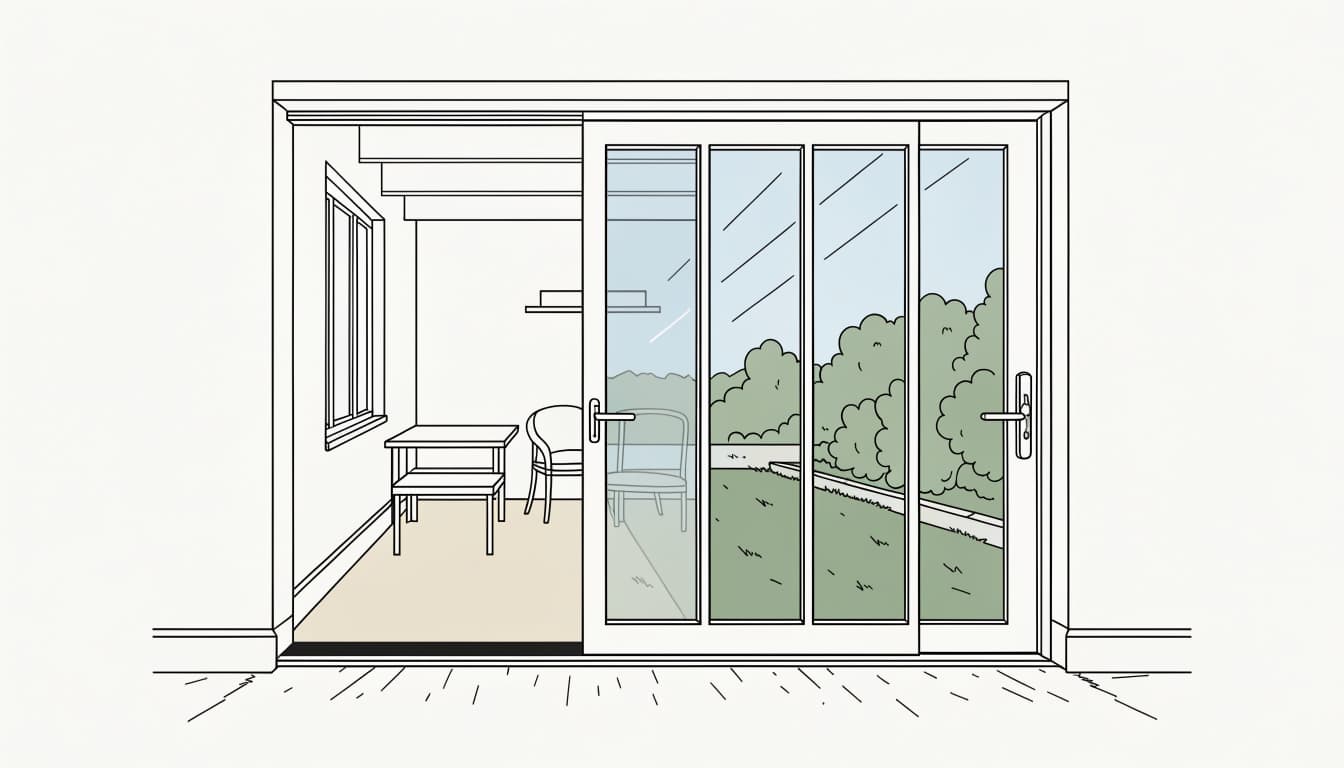
A patio door may be useful in an emergency, but opening onto a patio doesn't automatically make it a code-compliant escape opening. The 2024 International Residential Code treats emergency escape openings and required egress doors separately.
Emergency escape and rescue openings
An emergency escape and rescue opening provides a way out and a way for rescuers to enter. Under the 2024 IRC, sleeping rooms and basements generally need an operable opening, subject to exceptions.
A sliding door can qualify if it meets the applicable size, location, and operation requirements. The opening must lead directly to a public way or to a qualifying yard or court that opens to a public way.
The home's required egress door
The required egress door is a separate code requirement for a dwelling. Under the IRC, that door must be side-hinged. A patio slider that qualifies as an emergency escape opening doesn't replace that required door.
The IRC is a model code, and jurisdictions can adopt different editions or amendments. A local building official can explain which requirements apply to your home.
How Much Clear Space Does an Escape Opening Need?
For an emergency escape and rescue opening under the 2024 IRC, the clear opening is the usable space when the door is open. It's not the size of the entire door frame or the combined width of both glass panels.
Measure the open space
The opening must provide at least 20 inches of clear width and 24 inches of clear height. It also needs a net clear area of at least 5.7 square feet, or 5.0 square feet for a grade-floor opening.
Those width and height minimums don't automatically satisfy the area requirement. An opening that's exactly 20 inches wide and 24 inches high has an area of about 3.3 square feet, so it falls short.
Measure the unobstructed space with the sliding panel open as far as it normally goes. A handle, screen, or other obstruction may reduce the usable opening.
Keep the route outside usable
The exit needs somewhere safe to lead. Patio furniture, planters, storage bins, or a locked gate can make a door less useful when you need to get out quickly.
Keep the space on both sides of the slider clear. If a screen door sits outside it, everyone who may use the route should know how to open that door too.
Make the Door Easy to Open From Inside
An escape opening must operate from inside without keys, tools, or special knowledge. That includes any security device attached to it. A door that takes several unfamiliar steps to release can slow someone down in an emergency.
Look at the lock and latch
Try the door during a household practice session. The latch should release without forcing it, and the panel should slide far enough to provide the required opening.
If the latch sticks or misses its keeper, a handle upgrade won't repair the lock. Our patio door mortise lock guide explains the parts involved in a lock repair.
Security bars and other devices shouldn't prevent occupants from opening an emergency escape route from inside. A qualified door professional can help with hardware that binds or is difficult to operate.
Address a dragging panel
A door that grinds, catches, or needs a hard shove may have a track or roller problem. Clear loose debris from the track and test the panel again. If it still drags, arrange a repair rather than relying on extra force.
Our guide to worn sliding door rollers covers signs that the moving hardware needs attention.
When a Replacement Handle Can Help
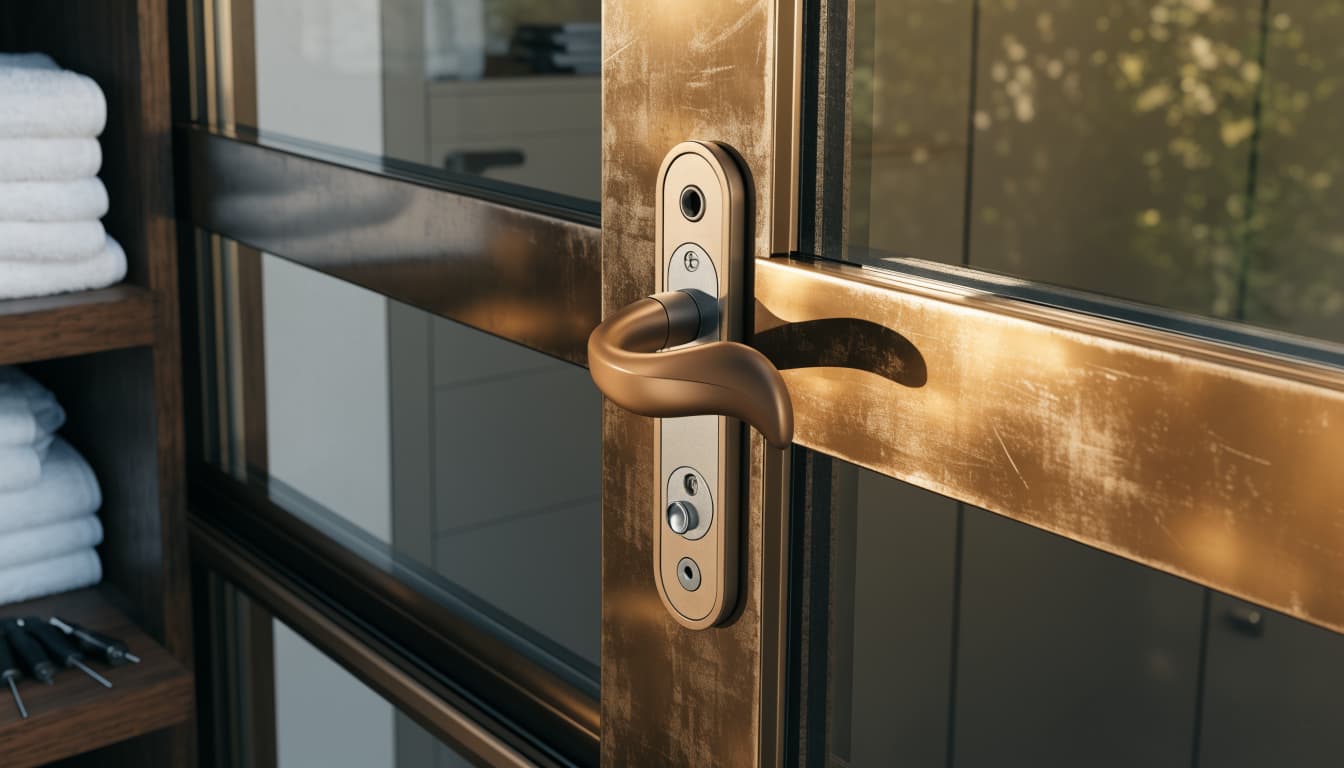
A shallow pull can be frustrating even when the door slides and locks properly. A larger grip may make the panel easier to control, especially for someone who has trouble holding a recessed handle.
Choose a grip for a working door
Our sliding glass door replacement handle fits over compatible existing hardware, leaving the original lock and latch in place. It's designed for a door plate measuring 7.25 inches by 1 inch.
Luuv Handle is made in the USA and is a patented product until 2037. It requires no alteration to the door and no drilling. White and bronze options are available for inside and outside use.
Test the handle after installation
With the door open, move the panel gently and make sure the new grip feels secure. Then close the door, operate the latch, and open it again. The handle shouldn't rub against the frame or interfere with the lock.
A comfortable grip can help with daily use, but it won't fix worn rollers, a damaged track, or broken glass. Deal with those problems before relying on the door as an escape route.
Include the Slider in Your Household Escape Plan
Walk through the route with everyone who may need to use it. Show children how the latch works, and make sure anyone with limited mobility has a realistic way to reach and operate the door.
Practice opening the door and moving to an agreed meeting place outside. Also plan another route in case smoke, fire, or an obstruction makes the slider unsafe to use.
If the glass is damaged, leave the panel alone and use another safe exit. Our guide to sliding door glass breakage covers how to keep people away from a damaged pane.
Keep Your Exit Ready
A sliding glass door can be part of an emergency escape plan when its opening and operation meet the applicable requirements. The clear space and the path outside matter as much as the door itself.
Keep the route accessible and address sticking hardware promptly. A door that's easy to grip and open during everyday use is easier to practice using before an emergency.