

A sliding glass door can shatter even when nobody has hit it. Sliding glass door shattering often seems sudden because a small edge flaw, stress in the glass, or a change in temperature may go unnoticed until the pane breaks.
Tempered safety glass is designed to break into small pieces, but it still needs prompt attention once damaged. Knowing what may have happened helps you protect people nearby and choose the right repair.
Key Takeaways
- A pane can break without a visible impact, but the exact cause may be difficult to identify after it shatters.
- Edge damage, temperature changes, or pressure from a frame can contribute to glass stress.
- Keep people and pets away from damaged glass, and avoid moving the door.
- Tempered glass cannot be restored to its original strength after it cracks.
- A sound frame and working rollers may allow glass-only replacement. A damaged sash, track, or frame may call for broader repairs.
- A replacement handle can improve grip, but it cannot repair glass or correct a door that sticks.
Why sliding glass door shattering may seem sudden
A window or door pane can look intact until the forces acting on it reach a breaking point. When the glass finally fails, the event can appear to have happened for no reason.
Small damage may be hard to see
A tiny chip or scratch near the edge can be difficult to spot, especially when it sits behind the frame or hardware. The glass edge is also less exposed than the center, so damage there may escape notice during routine cleaning.
As the door opens and closes, movement can place additional stress on the panel. A flaw that seemed minor may grow, then the glass can break without a fresh collision.
Tempered glass breaks differently
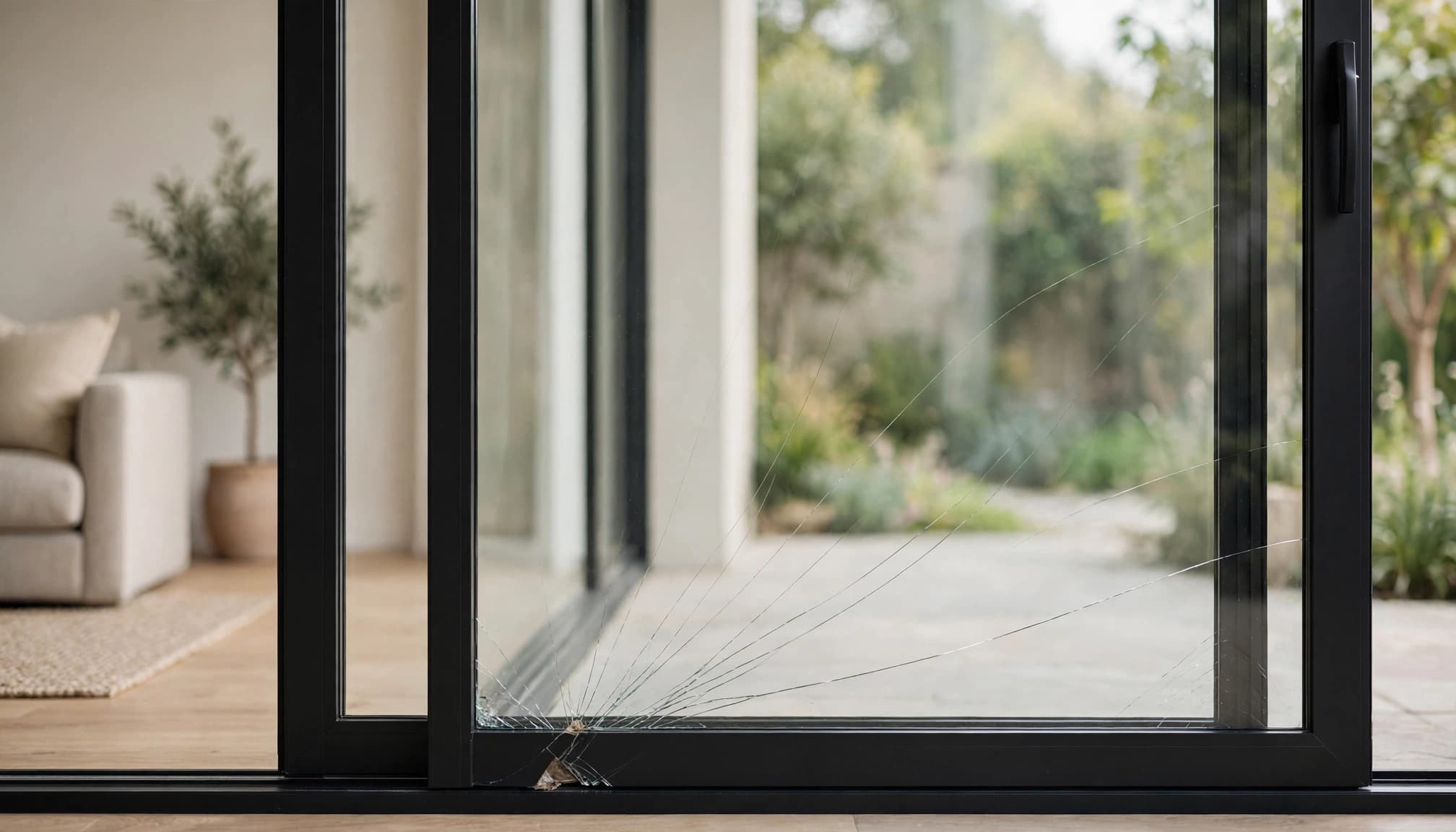
Most sliding patio doors use safety glazing, commonly tempered glass. It's designed to break into smaller pieces rather than long, sharp shards. That reduces some risks, but the broken pane still presents a serious hazard.
Once tempered glass cracks, it can't be repaired back to its original strength. The damaged glass needs replacement, even if the first visible crack looks small.
Conditions that can contribute to breakage
A lack of visible impact doesn't prove that the glass failed spontaneously. A crack may have started earlier, or several sources of stress may have acted on the pane over time.
Edge pressure and frame movement
The frame holds the glass around its perimeter. If the sash is out of square, bent, or under pressure, it may place uneven force on the glass edge. A loose or damaged glazing component can also affect how the pane sits.
Door movement matters, too. A panel that drags, rattles, or catches can vibrate or twist as it travels. Those conditions don't guarantee that glass will break, but they can worsen an existing weakness.
Temperature changes and hidden flaws
Glass expands and contracts as it heats and cools. Uneven heating, such as strong sun on one area while another remains shaded, can create stress within a pane. A rapid temperature change may add to that stress.
Tempered glass can also contain a flaw that isn't obvious from the surface. In some cases, a pane breaks after a delay despite no recent impact. Without examining the glass and door, it may not be possible to identify one definite cause.
What to do when the glass breaks
Treat a cracked or shattered sliding door as unsafe, even if the panel remains in place. A weakened pane can fail further when the door moves or someone presses against it.
Keep people clear and stop operating the door
Move children and pets away from the opening. Don't slide, slam, or lean on the panel. Movement may put extra force on already damaged glass.
If the glass has shattered, stay clear of the opening, wear closed shoes, and block access until help arrives. Avoid touching loose fragments or testing whether the glass feels stable. Tape may help hold some loose pieces temporarily, but it doesn't make the pane safe or restore its strength.
Know when the situation needs urgent help
Loose fragments, a pane that appears to bulge, crunching sounds, or cracks spreading in several directions call for prompt professional service. Keep the door closed and leave removal to a qualified glass professional.
If a crack is still visible but the pane hasn't fallen, keep everyone away and avoid using the door. For guidance on when to replace shattered patio door glass, consider both the condition of the pane and whether the frame is still sound.
Decide whether to replace the glass or the whole door
A broken pane doesn't automatically mean the complete sliding door needs replacement. The condition of the sash, frame, rollers, track, and lock helps determine the right scope.
Glass-only replacement may fit a sound door
When the frame is straight, the panel sits evenly, and the door moves and latches properly, a glass professional may be able to replace only the damaged glass unit. That avoids replacing parts that still work.
The replacement needs to suit the existing door. Depending on its design, the glass may need to match the original safety rating, thickness, tint, or insulated construction. A glass professional can assess the pane and sash together.
A damaged frame or moving panel changes the repair
A bent sash, badly worn rollers, or a damaged track can make glass-only replacement a poor fit. If the frame can't hold the glass securely or the door continues to bind, the repair may need to include those components.
Don't try to remove a heavy glass panel yourself. A qualified technician can assess whether the glass, sash, or full door needs work. For more detail on safe repairs for sliding door glass and rollers, keep the door's movement and structural condition in view.
What glass replacement may cost
The cost depends on the pane, its size, the door design, and the work needed to install it. Estimates can differ because they cover different scopes of work.
One estimate puts replacement of a glass panel with the existing frame intact at $400 to $1,200 installed. Broader broken-pane estimates range from $150 to $900, depending on the glass, panel size, and labor. These ranges aren't interchangeable quotes, since the job details can vary.
Tempered glass is common in patio doors, while laminated or impact-rated products may cost more. The frame can also limit which replacement glass fits. See factors that affect sliding door glass replacement costs when comparing the type of repair being priced.
What a replacement handle can and can't fix
A handle has no role in repairing shattered glass. First address the pane and any sticking, alignment, or lock problems. After the door is safe and moves correctly, a better grip can make everyday opening and closing more comfortable.
When an add-on handle makes sense
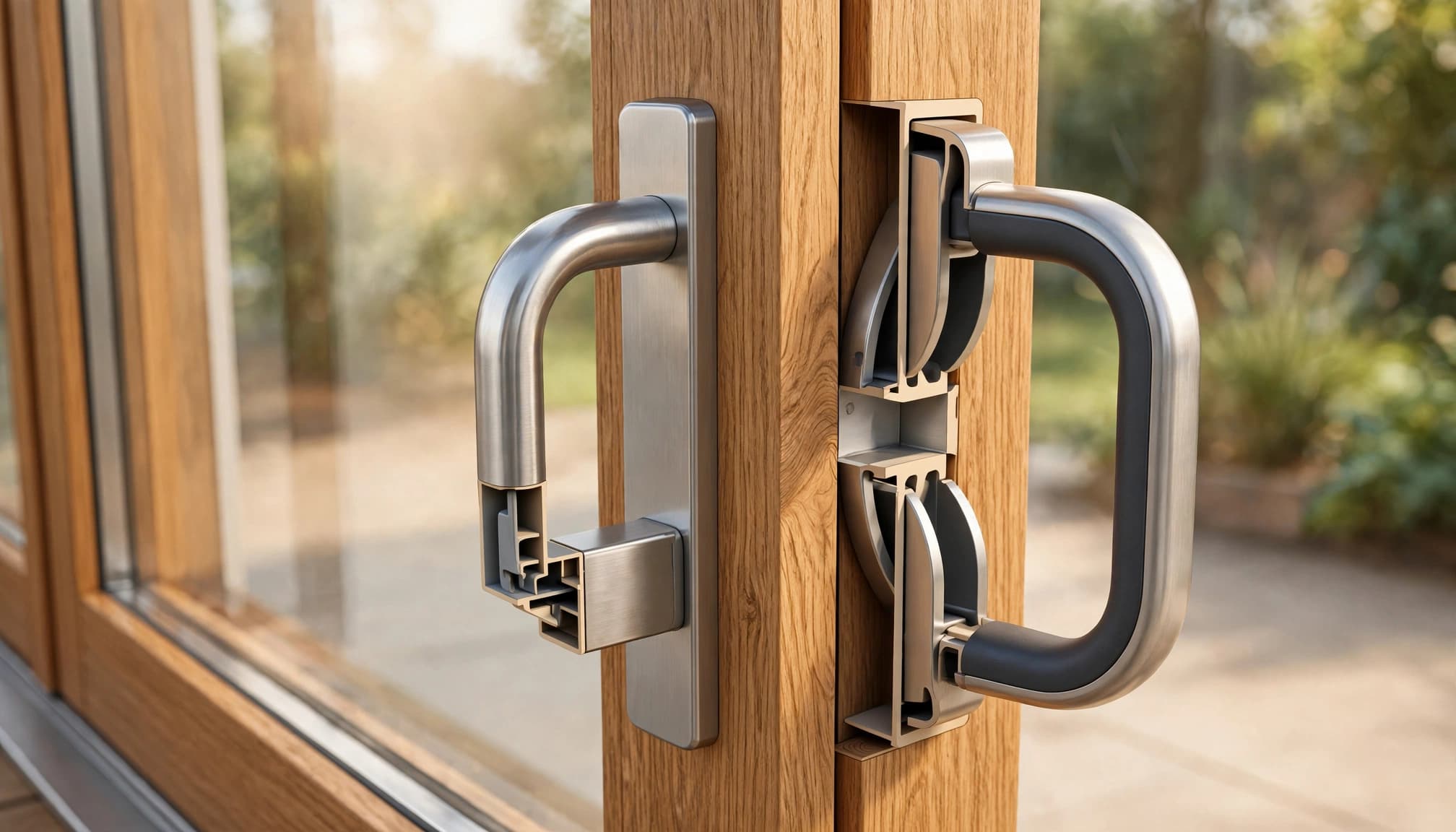
If the existing pull is awkward or gives you little room for your fingers, a retrofit handle may help. Our Luuv Handle fits compatible 7.25-inch by 1-inch door plates and installs over existing hardware. It requires no alteration to the door and no drilling.
We make our steel-and-oak handles by hand in the USA. The patented product is protected through 2037. White and bronze exterior handles cost $30, interior handles cost $22, and inside-and-outside bundles cost $50.
Don't use a new handle to force a stuck door
A handle can improve grip, but it won't fix worn rollers, a bent track, a misaligned panel, or a faulty latch. If the door drags or catches, forcing it may add stress to the glass and hardware.
Once the panel and lock work properly, a Sliding Glass Door Replacement Handle can provide an easier place to grip. Luuv Handle installs in about 30 seconds on compatible hardware, without permanent changes to the door.
Frequently asked questions
Can a sliding glass door shatter without being hit?
Yes. A pane may break after stress from edge damage, frame pressure, temperature differences, or a flaw within the glass. The visible break doesn't always reveal what started the damage.
Is cracked tempered glass safe to leave in place?
No. A crack means the pane's strength has been compromised. Keep people away, don't operate the door, and arrange professional replacement.
Can I repair a shattered patio door pane?
Tempered glass can't be returned to its original strength after cracking. A damaged pane needs replacement rather than a surface repair.
Should I replace the whole sliding door?
Not necessarily. If the frame and moving parts remain sound, glass-only replacement may be appropriate. Damage to the sash, frame, rollers, or track can mean a broader repair is needed.
A safer next step after glass breaks
A door can shatter without an obvious impact, but the exact cause isn't always clear. The immediate priority is to keep people away and stop moving the panel.
Once the area is safe, assess the glass and the rest of the door together. Replacing the right part protects the opening, while a handle upgrade can improve daily use after the door works properly again.