

When built-in blinds stop moving inside a sliding glass door, the problem may be in the blind operator, the sealed glass unit, or the door itself. Built-in blinds repair starts with identifying which part is stuck, because a replacement handle or track adjustment won't fix a blind trapped between panes.
The glass unit is sealed, so opening it at home is not a safe or dependable repair. Start with simple checks to identify the symptoms, then choose the repair that matches the affected component.
Key Takeaways
- If the door slides and locks normally but the blinds won't move, the issue is likely with the blind control or internal mechanism.
- Fog, droplets, or haze between the panes can indicate a failed glass seal. That points to a glass-unit problem, not a handle problem.
- A stuck sliding panel, a faulty latch, and stuck blinds are separate issues. Fix the part that's actually causing trouble.
- Don't pry apart the glass or force the blind control. A sliding door's sealed unit can require professional service.
- A replacement handle can improve grip and control, but it won't repair the blinds.
Identify What Is Stuck
A door can feel difficult to use for several different reasons. Before choosing a repair, notice whether the blind control moves, whether the slats respond, and whether the door itself slides and latches properly.
The blind won't raise, lower, or tilt
If the door moves normally but the blind control doesn't, or the slats remain fixed while the control moves, the fault is likely in the blind assembly or its operator. Some products use a slider or magnetic control; others have different mechanisms. The door manufacturer or product documentation can help identify the system.
Avoid forcing a stuck control. Excess pressure can damage the operator without freeing the slats.
The whole panel is hard to move
If the blind control works but the door drags, scrapes, or resists opening, focus on the door panel, track, or rollers. A handle that feels loose or difficult to grip can also affect how you operate the panel, but it won't explain blinds that remain stuck inside the glass.
For other symptoms, sliding door alignment and latch troubleshooting can help separate a panel or latch issue from a blind problem.
How Built-In Blinds Between Glass Panes Work
Built-in blinds sit inside a sealed glass unit, often called an insulated glass unit, or IGU. The two panes enclose the blinds and the airspace around them. This differs from ordinary room blinds, which you can reach and repair directly.
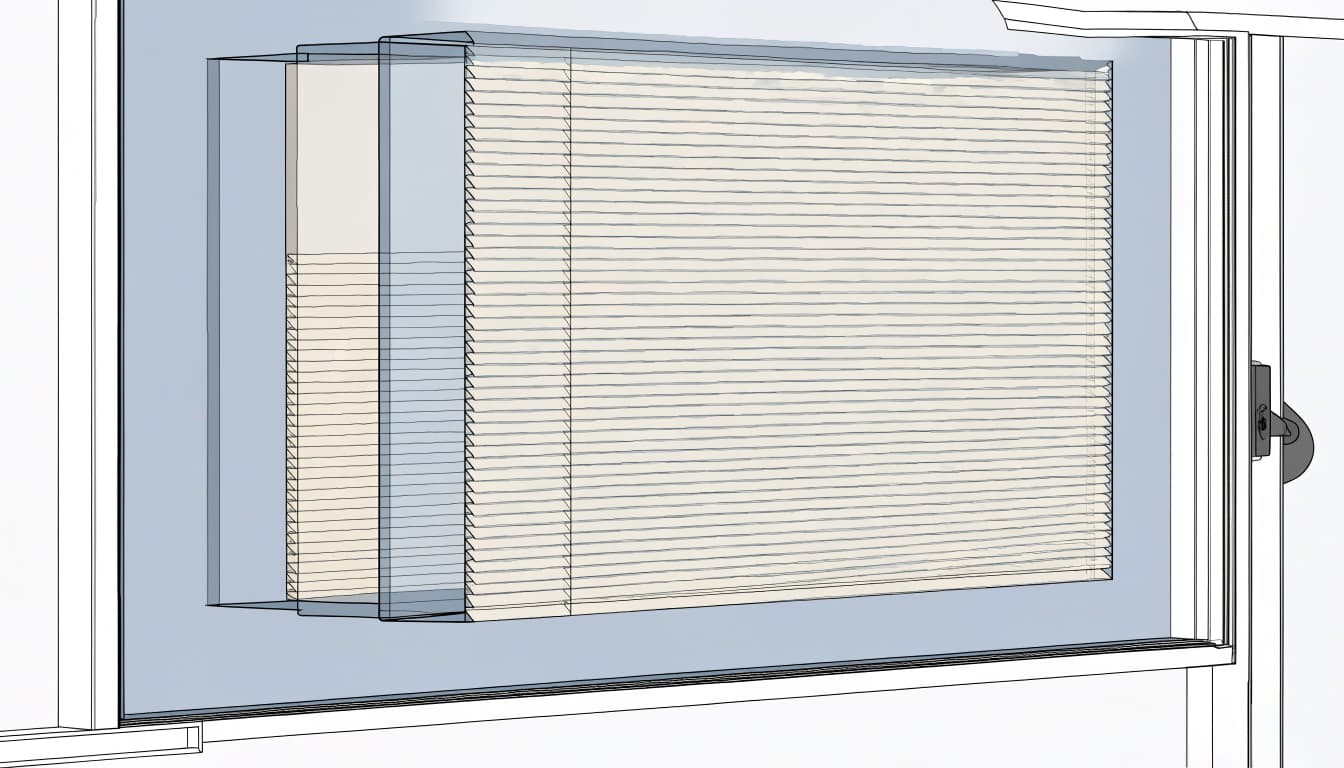
The control is outside, but the blinds are sealed inside
The external control operates a mechanism within or alongside the sealed assembly. Designs differ, so there isn't one repair procedure that fits every door. A stuck control could point to an operator issue, while slats that hang unevenly may indicate a problem with the blind assembly.
Since the moving parts sit between panes, trying to reach them by removing trim or separating the glass can damage the unit and create a safety risk.
Glass symptoms can point to seal failure
Haze, moisture, or droplets between the panes are different from a blind that simply won't move. These signs can mean the seal has failed. The glass may remain unbroken, but the unit's insulating performance can decline.
Read about causes of a foggy sliding glass door to distinguish condensation between panes from surface moisture. A sealed unit that has failed generally needs glass service rather than an attempt to dry it out or reseal it in place. See the available patio door glass repair options.
Check the Symptoms Without Forcing the Door
A few observations can help identify the right service or repair path. Keep the checks simple and stop if the panel or control resists.
Test the blind control gently
Move the control through its normal range without pushing past a stop. Watch whether the slats tilt, rise, lower, or remain still. If the control moves freely without moving the blinds, or feels jammed, note that detail for a door or glass professional.
Don't tap the glass, pry at the frame, or try to pull the slats into alignment. Those actions can harm the sealed unit.
Separate blind symptoms from door symptoms
Open and close the panel gently if it moves safely. Note whether it rolls smoothly, whether the latch catches, and whether the handle feels secure. A dragging panel points to a track or roller concern; a loose or shallow handle points to a grip concern.
Those observations matter because solving one issue won't automatically resolve the others. A handle replacement won't restore a blind operator, and new glass won't fix a damaged track.
Repair Options for Stuck Blinds
The right repair depends on the door's design and the failure. Since the blind components are enclosed, the repair provider may need to identify the glass unit and determine whether the blind mechanism can be serviced separately.
Ask about the operator and blind assembly
If the panes are clear and the glass appears intact, describe what happens when you move the control. A qualified door or glass service can assess the operator and the internal blind assembly without guessing based on symptoms alone.
Some systems may allow repair of a control component; others may require replacing a larger assembly. Avoid assuming the blind can be reached through the frame or that every manufacturer offers the same parts.
Ask whether the sealed unit needs replacement
When the unit has failed or the blinds can't be repaired separately, replacing the sealed glass unit may be the practical solution. That doesn't always mean replacing the entire sliding door, but the options depend on the door's construction and parts availability.
Don't attempt to separate the panes yourself. Large glass panels are heavy, and breaking the seal or stressing the glass can create injury and property risks.
Check the Track, Rollers, and Handle Separately
A door may have more than one problem, so treat its components as distinct. The track affects panel movement, the latch secures the door, and the handle affects your grip. None of those parts controls the blinds between the panes.
If the panel drags or scrapes, use this sliding door track repair guide to understand common track-related symptoms. Don't compensate by pulling harder on the handle, as extra force won't correct worn rollers or a damaged track.
If the handle is the part that's uncomfortable, a retrofit can provide a larger handhold while leaving the blind and glass system untouched. That can be useful after the door moves and locks correctly, but it should be treated as a separate upgrade.
When a Sliding Glass Door Replacement Handle Helps
A sliding glass door replacement handle is appropriate when the door's existing pull is hard to grip, loose, or uncomfortable. It won't free blinds sealed between panes, so choose it for handle comfort rather than as a blind repair.
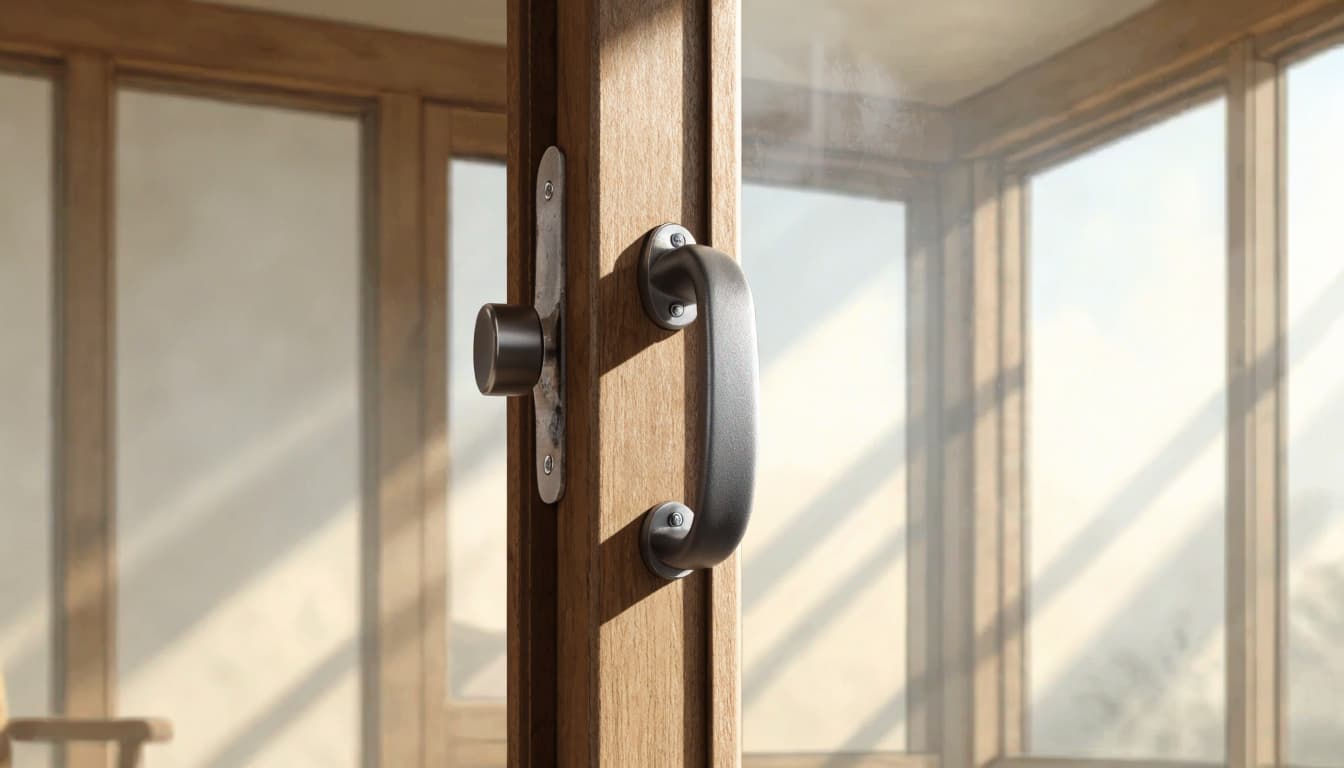
Our Luuv Handle retrofit is made for sliding doors with a 7.25-inch by 1-inch handle plate. It fits over existing hardware, requires no alteration to the door and no drilling, and leaves the original lock and latch in place. The product is made in the USA and patented through 2037.
Interior handles are $22, exterior handles are $30, and inside-and-outside bundles are $50. White and bronze exterior options are available. When the plate size matches, installation takes about 30 seconds. A retrofit can improve daily grip, but a separate blind or glass problem still needs its own repair.
Frequently Asked Questions
Can I repair blinds between the panes myself?
You can observe the control and note the symptoms, but don't open the sealed glass unit or force the mechanism. The internal parts aren't directly accessible like ordinary blinds, and handling a door panel or glass unit can be hazardous.
Does replacing the door handle fix stuck blinds?
No. The handle controls how you grip and move the door. It doesn't operate or repair blinds sealed between the panes. Replace or upgrade the handle only when grip is the issue.
Does fog between the panes mean the blinds are broken?
Not necessarily. Haze or moisture between panes can indicate a failed glass seal, which is separate from blind movement. The sealed unit may need glass service even if the blinds still operate.
Do I have to replace the whole sliding door?
Not always. Depending on the design and available parts, service may involve the blind mechanism or the sealed glass unit rather than the complete door. A door or glass professional can identify which component needs attention.
Choose the Repair That Matches the Problem
Stuck blinds, fogged glass, a dragging panel, and a hard-to-grip handle are different problems, even when they affect the same door. Identify the symptom first, then choose service for the blind assembly, sealed glass, track, or handle as needed.
A retrofit handle can make a working slider easier to use, but it won't repair the blinds. Keeping those fixes separate helps avoid unnecessary door work and gets attention to the part that's actually stuck.