

New flooring can change how much room remains around a patio door's sill, track, and moving panel. Plan for patio door flooring clearance before installation, so the new surface doesn't crowd the track or cover parts that need to stay open.
A door that already sticks or feels awkward may have more than one issue. Separate floor and threshold concerns from problems with the rollers, lock, or handle before choosing a fix.
Why finished floor height matters at a patio door
The visible floor is only one part of the opening. The track and sill guide the panel, while the floor edge and transition finish the boundary between the room and the door.
Keep the track and panel path clear
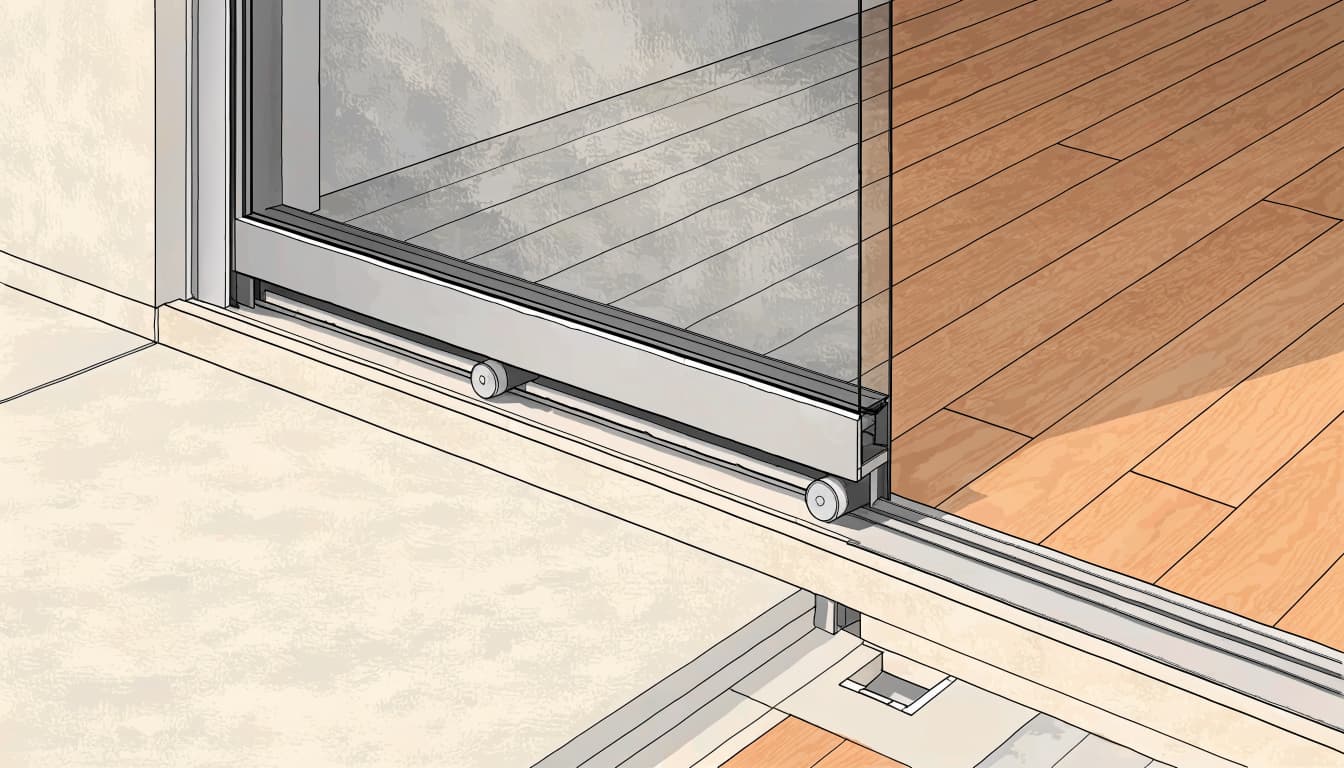
Flooring and any layers beneath it can raise the interior surface relative to the sill. If the new edge crowds the track, covers a channel, or reaches into the panel's path, the door may not slide or close as it should. The screen door may also need room to move on its own track.
Treat the sill as part of the door system
A patio door threshold is more than a trim piece. It supports the lower opening and manages water movement. Flooring shouldn't conceal drainage openings or interfere with access to the track. If the sill shows damage or signs of water, review patio door sill and threshold maintenance before the flooring work begins.
Measure the opening before choosing the floor
A flooring plan should account for the complete assembly, not only the plank or tile thickness. The underlayment, adhesive, padding, and transition profile can all affect the finished height.
Look at the whole build-up
Ask the installer to consider every layer that will sit above the subfloor. Compare the planned finished surface with the existing sill and track, including the point where the moving panel passes closest to the interior floor.
There isn't one clearance number that fits every patio door. Track shapes, panel designs, and thresholds vary. The important thing is to avoid assuming the new surface can extend across the sill or into a track simply because it looks level with the current floor.
Plan the edge and transition
A flooring edge needs a clean, stable finish beside the door. A transition strip can cover a seam, but it shouldn't obstruct the panel or screen, or conceal a track channel that needs cleaning and drainage.
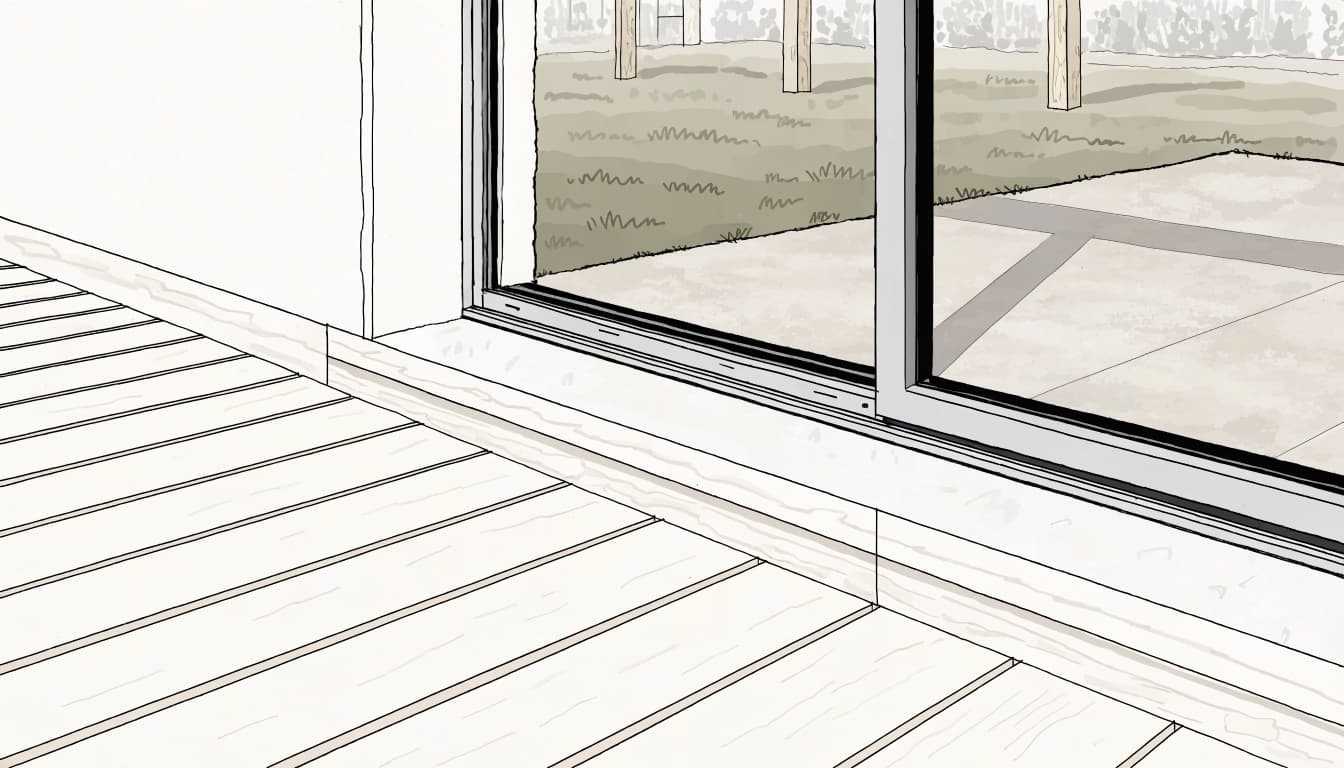
Decide where the new floor ends before materials are installed. A clear plan helps prevent a last-minute cut or trim change beside the door.
Check the door before the flooring work starts
Test the patio door while the old floor is still in place. That gives you a useful baseline for how the panel moves, where it meets the sill, and whether the latch works.
Slide the panel with steady pressure
Open and close the door using its existing handle. Notice whether it rolls smoothly, rubs, chatters, or jumps. Avoid forcing it. A door that already drags needs attention before new flooring makes the threshold area harder to access.
Grit can affect movement, so start with basic track care. Our 15-minute sliding door track cleaning guide covers clearing dirt from the track. If the panel still binds, use sliding door track troubleshooting tips to distinguish a cleaning issue from track damage.
Check the latch, rollers, and screen
Close the panel and test the lock. If the latch misses or you need to lift the door to engage it, the panel may be out of alignment. Worn rollers can also make the door hard to move. These issues aren't solved by changing the handle.
Keep the screen in the assessment, too. A new floor edge or transition shouldn't block its travel or reduce the space it needs beside the glass panel.
Protect the track and threshold during installation
Flooring work can put dust, scraps, adhesive, and tools near the sill. Keep the track accessible throughout the project, and don't treat it as a surface to cover or build over.
Keep channels and drainage openings clear
The track needs to stay free of debris so the rollers can move. Threshold drainage paths also need to remain open. Covering them with flooring, adhesive, or trim can interfere with the way water exits the sill.
After installation, remove debris from the track and test the door's full travel. If the panel rubs or catches, stop rather than forcing it past the new edge. The sliding glass door track replacement guide explains why panel alignment and unobstructed movement matter.
Don't mistake a flooring edge for a door repair
A raised or uneven transition may create a trip concern, while a rough-running panel may point to rollers or track trouble. These are separate problems, even when they meet at the same doorway. If the sill is loose, damaged, or showing water intrusion, have the underlying issue assessed before covering the area with finish materials.
Separate track clearance from a handle problem
A patio door can move well and still be difficult to use because its recessed pull is shallow or uncomfortable. A handle affects grip and control. It doesn't change the height of the floor or repair a damaged track.
Choose a retrofit handle when movement is sound
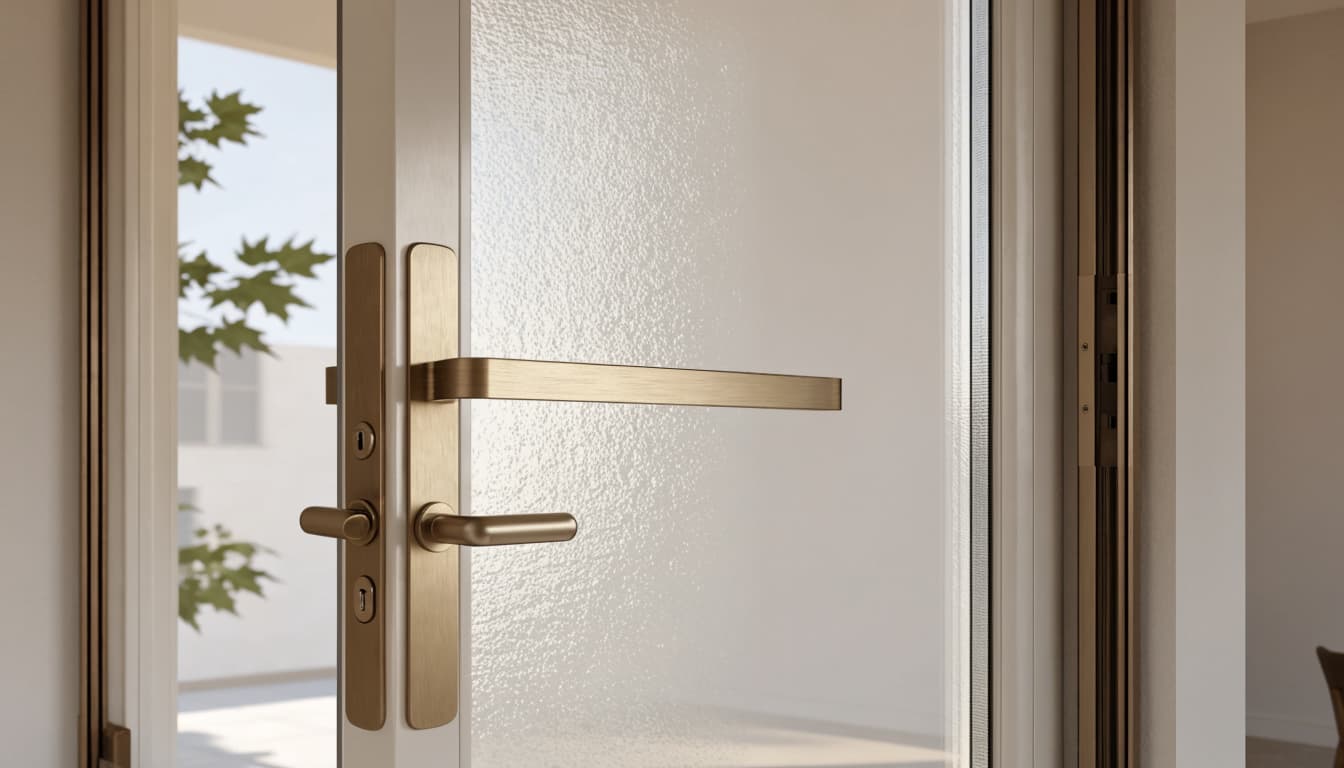
For a compatible door, our Sliding Glass Door Replacement Handle adds a handhold over the existing hardware. Luuv Handle products fit door plates measuring 7.25 inches by 1 inch. The original lock and latch stay in place.
Our handles are made in the USA from steel and oak, and are patented through 2037. Installation takes about 30 seconds on a compatible door. It requires no alteration to the door and no drilling, which can suit renters and homeowners who want to avoid permanent changes.
Replace failed hardware when the lock no longer works
A retrofit grip isn't a replacement for a broken handle set or failed latch. If the lock won't engage, the mounting points are damaged, or the handle has snapped, the door may need a matched hardware replacement or repair.
Likewise, if the panel drags after the track is clean, a handle won't fix the movement. For roller trouble, see signs your sliding door rollers need replacing. Deal with the mechanical issue first, then decide whether a more comfortable grip would help.
Key takeaways for flooring beside a patio door
- Include underlayment and transition materials when considering the finished floor height.
- Keep the sill, track, drainage paths, and panel travel clear.
- Test the door and lock before work, then repeat the test after installation.
- Treat floor clearance, track movement, and handle comfort as separate concerns.
- Use a retrofit handle only when the existing door hardware is compatible and working.
FAQ about new flooring and patio door clearance
Can new flooring cover a patio door track?
No. The panel's rollers need the track to guide movement, and the track needs to remain accessible. Keep flooring and transition trim outside the moving path and clear of drainage channels.
Will thicker flooring make a sliding door stick?
It can create a problem if the finished edge crowds the panel, sill, or track. The effect depends on the door and floor assembly, so account for all flooring layers and the transition before installation.
Should I replace the handle if the door drags?
Not as a fix for dragging. Check the track and rollers first. A replacement handle can improve grip, but it won't correct a panel that rubs or jumps.
Can I add a Luuv Handle without drilling?
Yes. On a compatible 7.25-inch by 1-inch door plate, Luuv Handle installs over existing hardware without drilling or altering the door. The original lock and latch remain in place.
Get the floor edge right before work begins
The best time to plan patio door clearance is before flooring reaches the sill. Account for the full floor build-up, keep the track and drainage paths open, and test the door after the work is complete.
When the panel moves properly but the grip is uncomfortable, a retrofit handle addresses that separate issue without modifying the door.